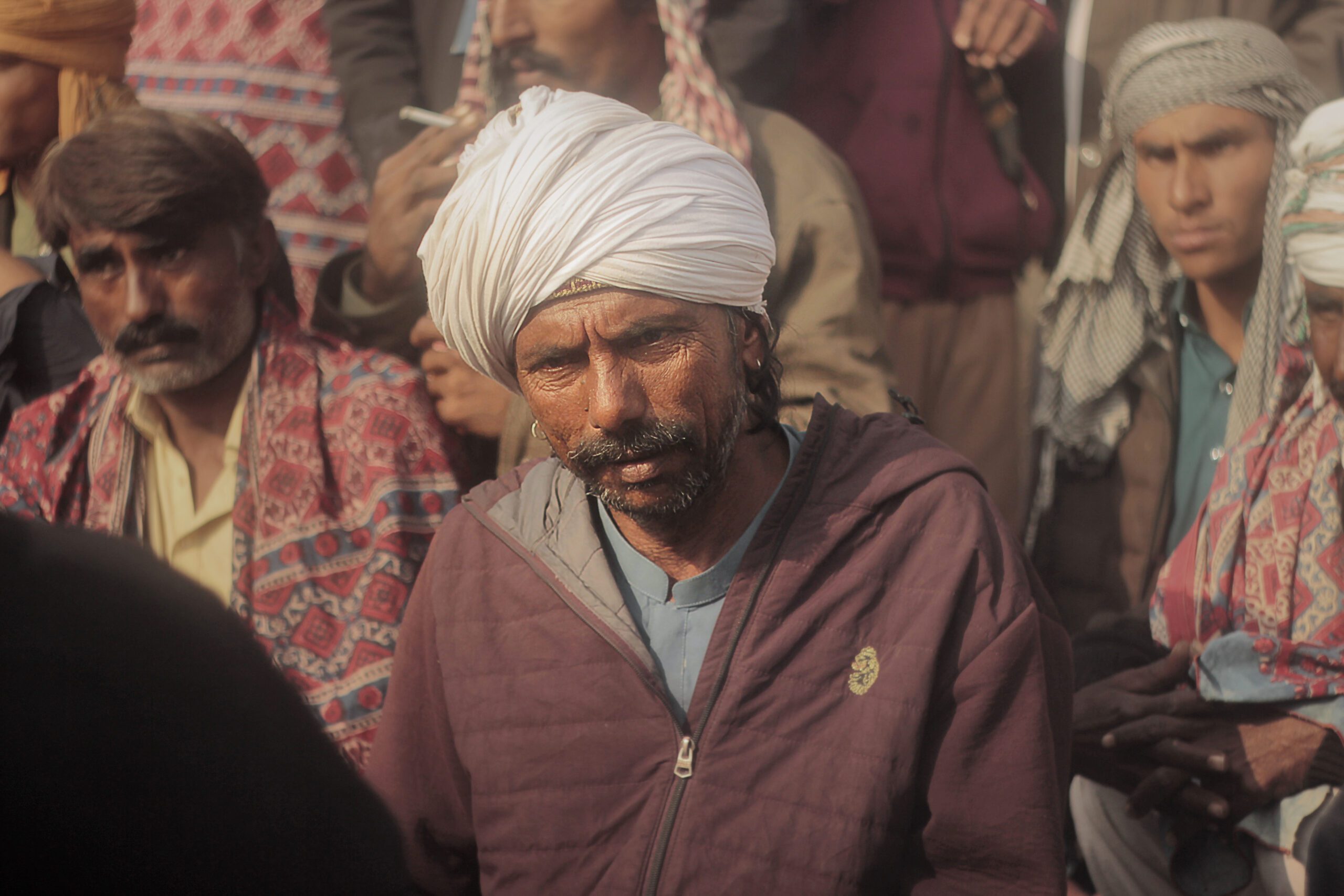
The guardian deity of wilderness and biodiversity
Tracing Pashtupati
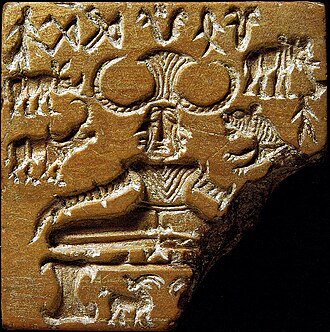
Seal 420 Excavated from Mohenjo-Daro
It was late 1920s when steatite carving known as Seal 420 was unearthed at Mohenjo-daro. British archaeologist Sir John Marshall swiftly labeled its horned, cross-legged figure a “Proto-Shiva.”
This post-colonial framing trapped a universal ancient archetype within a single later religious tradition, reducing an expansive, prehistoric worldview to a mere draft of modern theology.
Carved over 4,000 years ago along the banks of the Indus, this seated lord surrounded by wild beasts was never meant to belong to one pantheon alone. The seal captures a far older, global consciousness, a horned guardian of Nature, wild animals, livestock and the untamed wilderness.
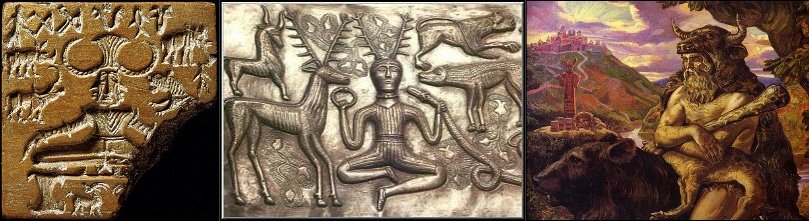
When mapped across the ancient Indo-European world, Pashupati’s divine twin emerges in Western Europe as Cernunnos, the horned Celtic deity sitting cross-legged among forest beasts, and in the Slavic realm as Veles, the horned protector of cattle, earth, and hidden waters.
Pashupati is not the origin of Shiva but the ancestral Mundi rooted in Indus valley and expanding to the ancient forests and pastures of Eurasia. He is the shared spirit of a time when humanity used to value the sacred harmony between man, beasts and the land.
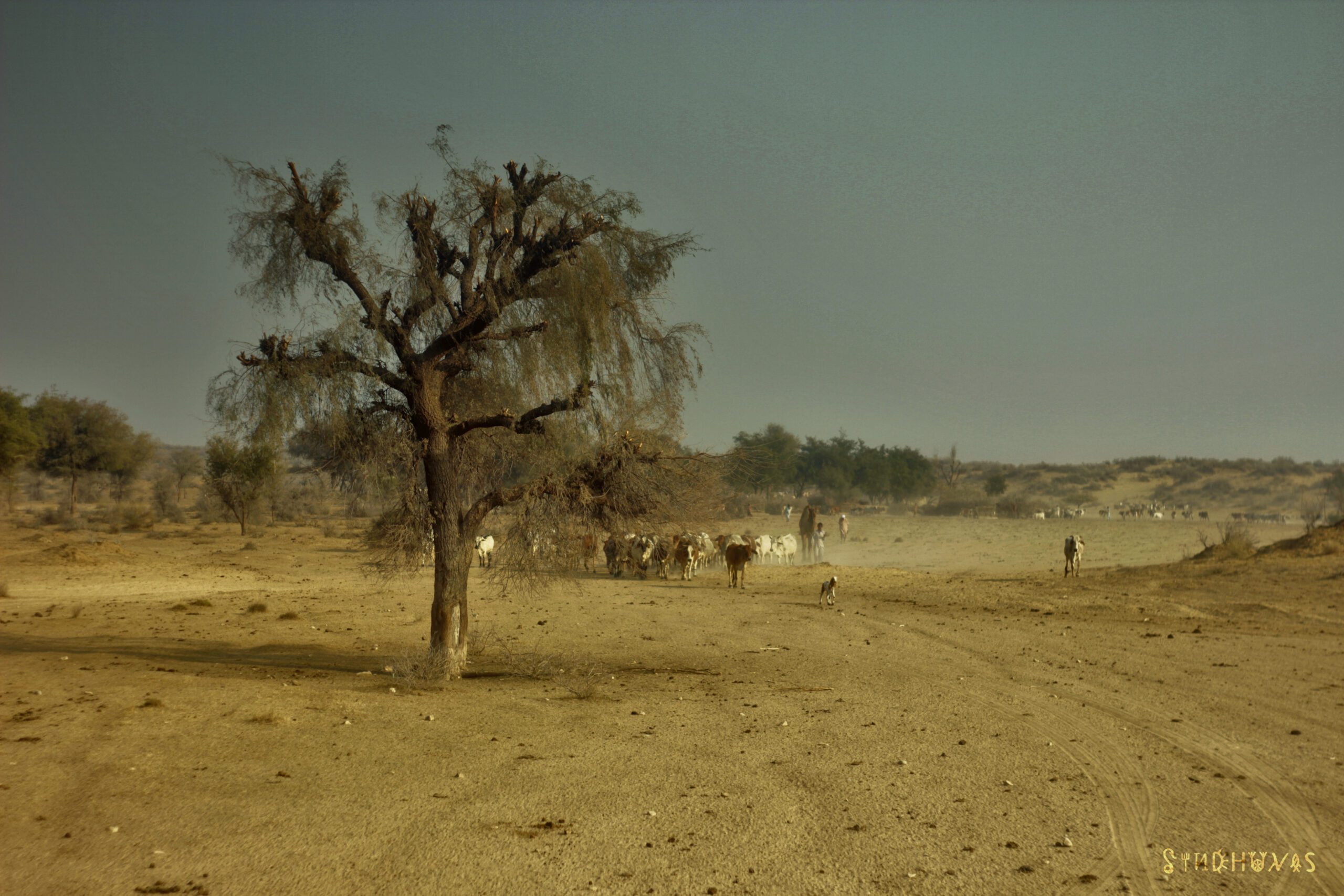
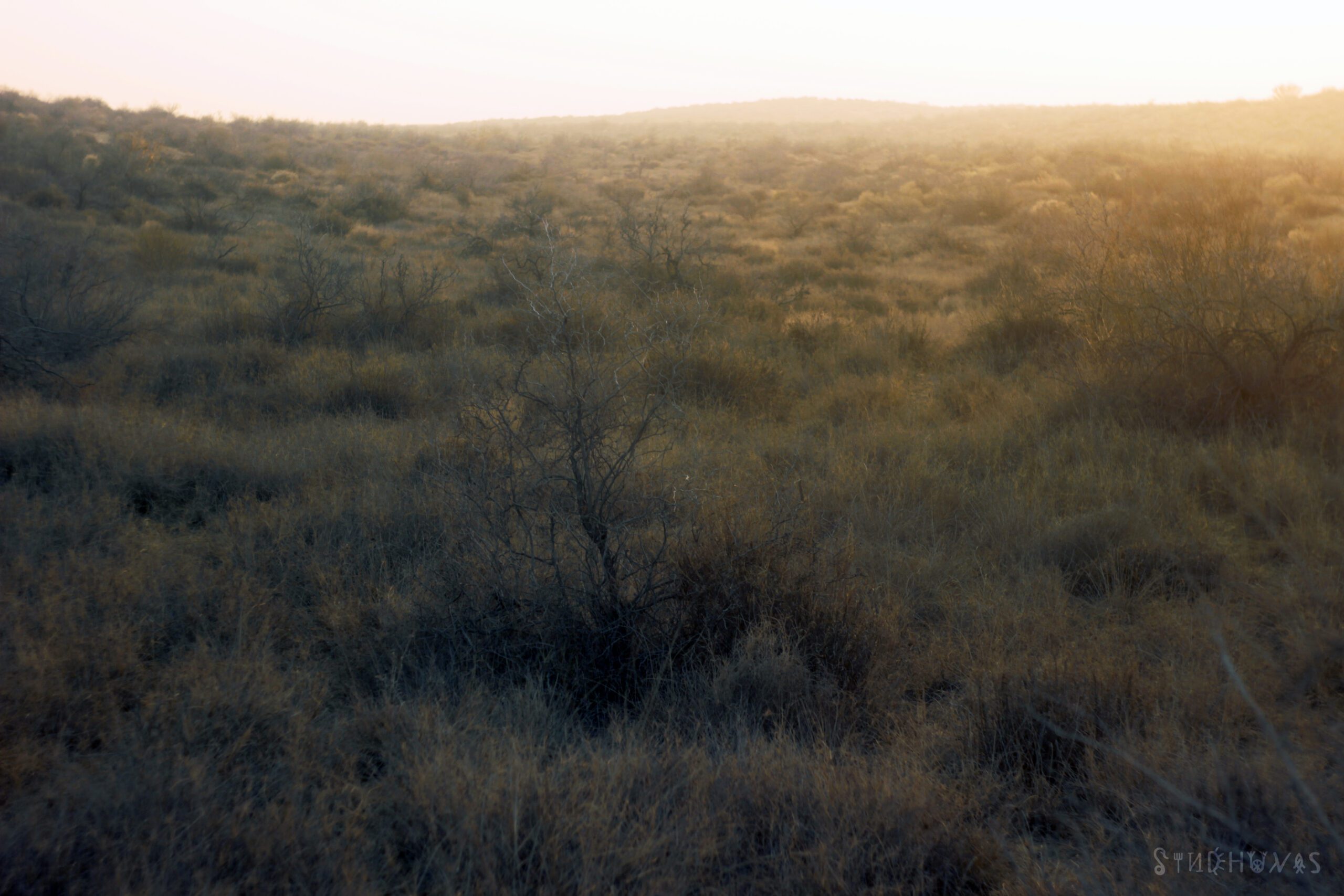
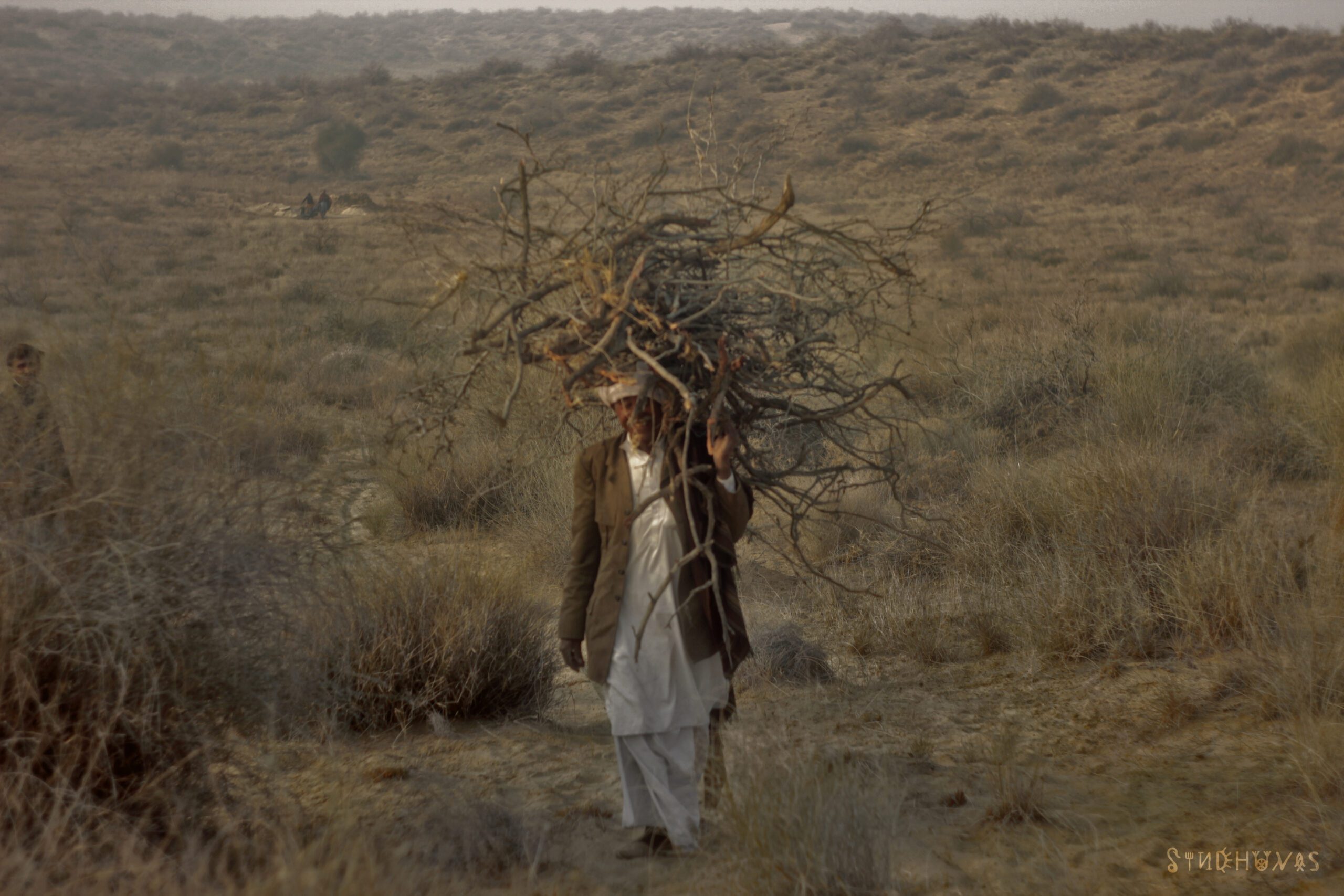
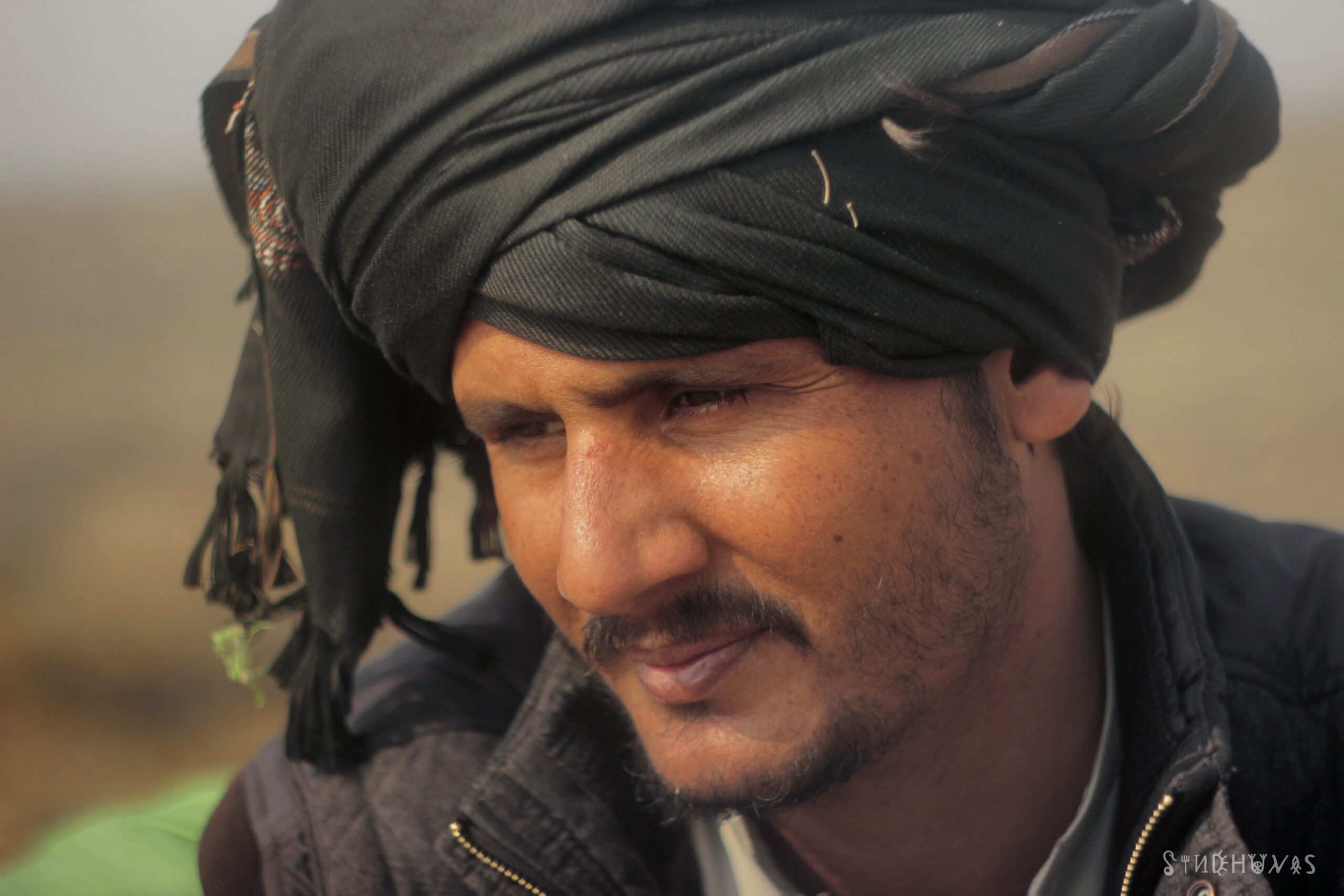
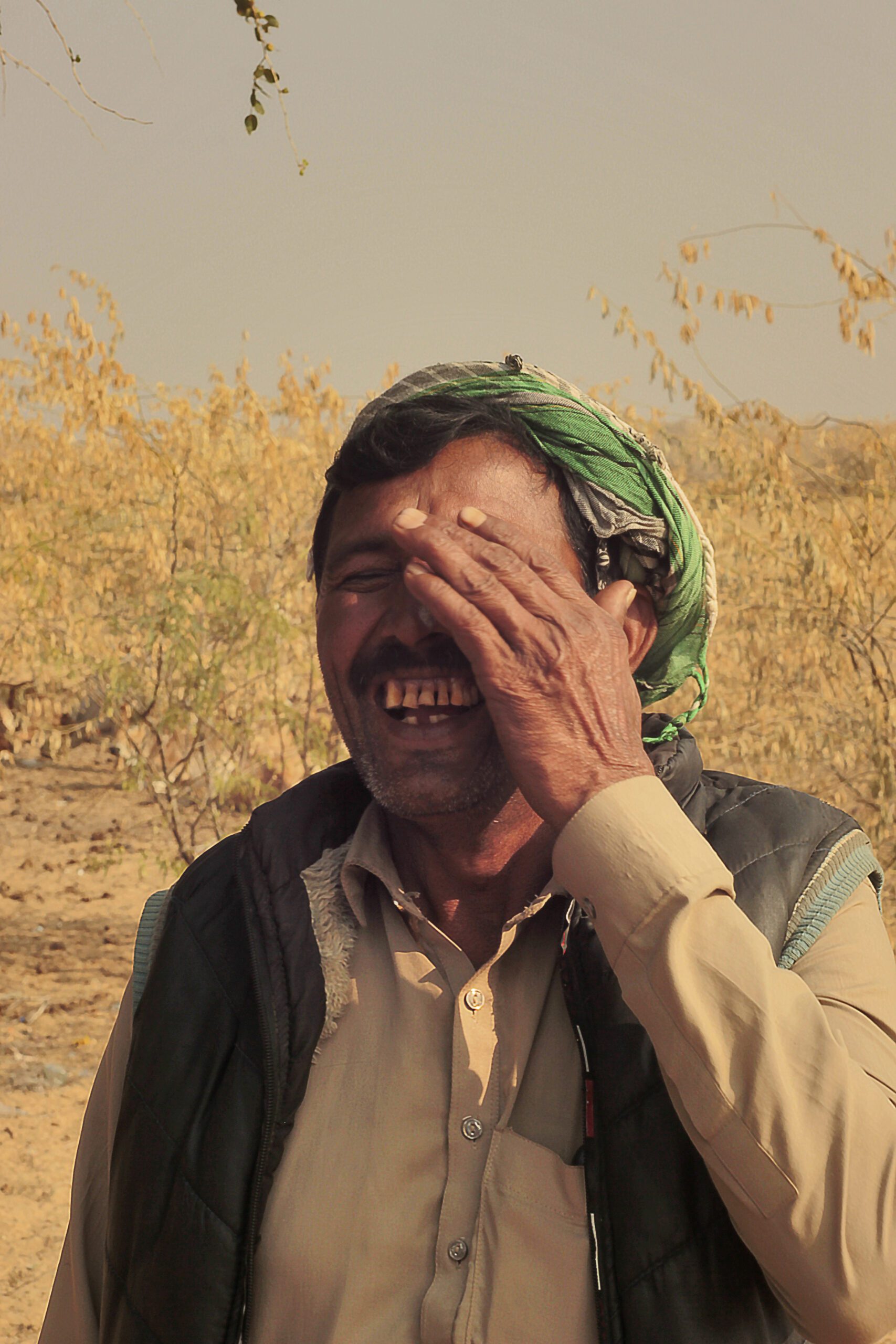
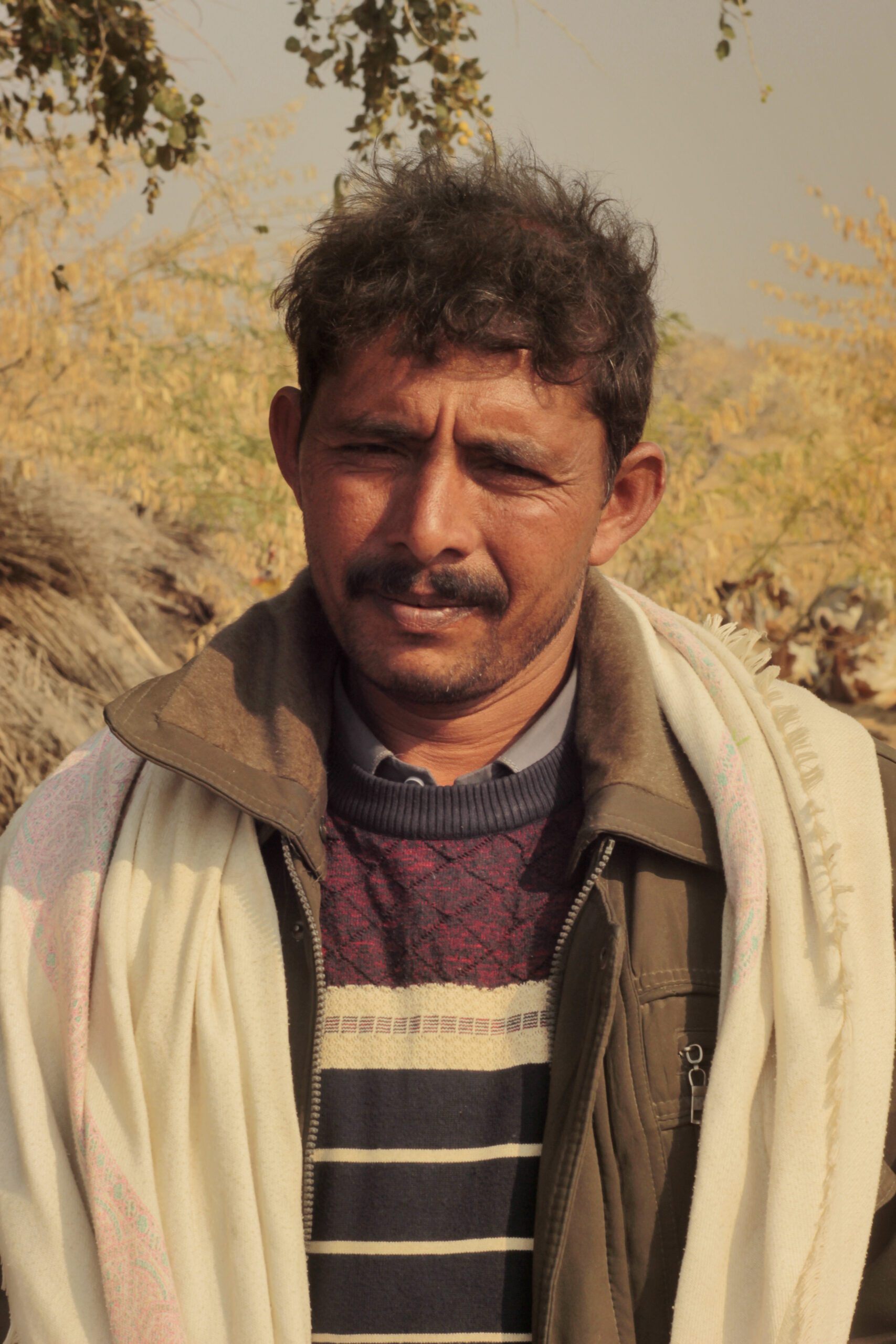
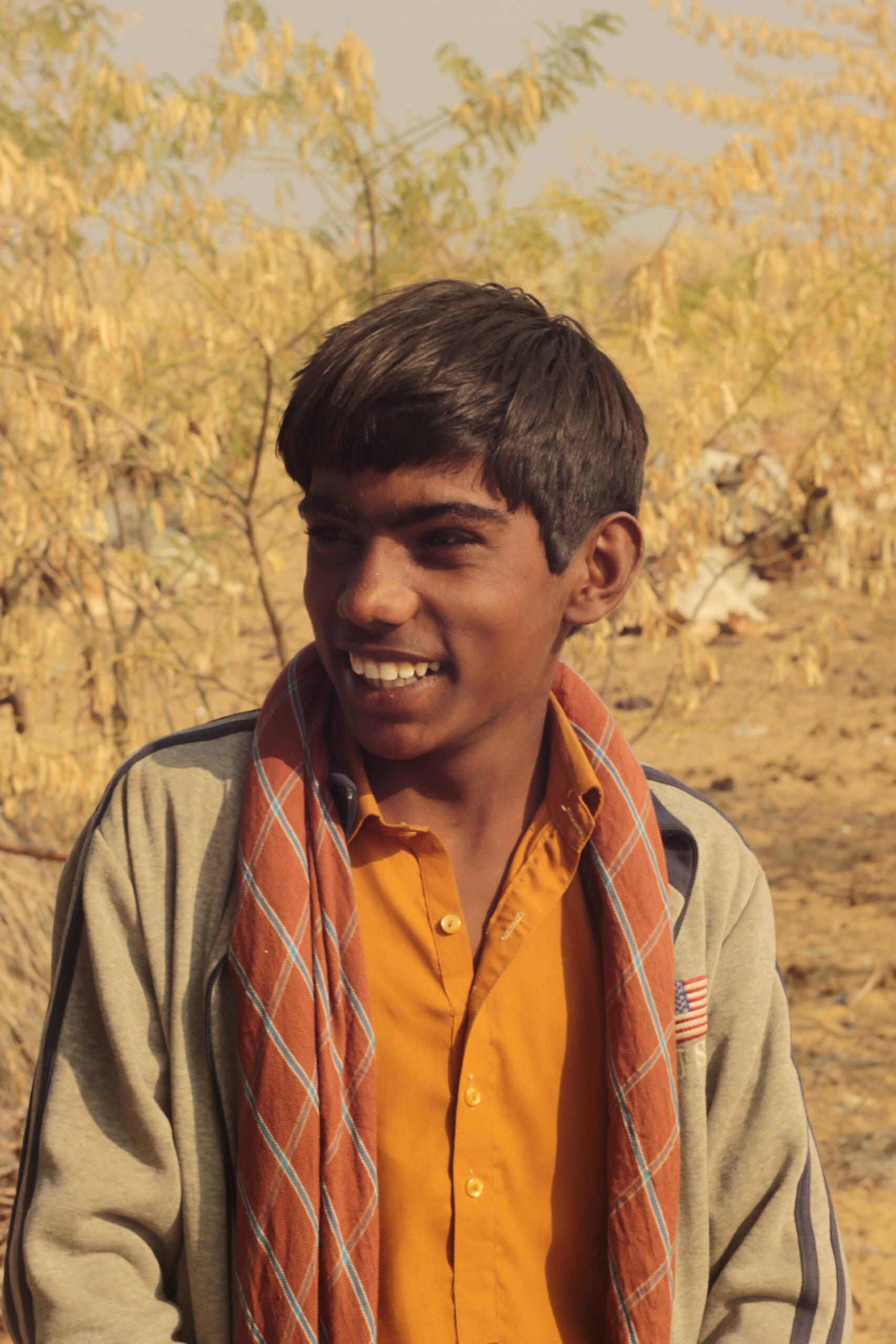
Mighty Thar desert is such a wilderness where nomadic herders still remember a being whose story resonates so much with all these ancient lords of wilderness. Thar desert seems to be an Ocean of sand. The dunes lie as the waves of this mighty ocean and the ridges of sand rising and falling as if time itself once moved here like water and then suddenly stopped. The wind is the only sailor that still travels this ocean, shaping and reshaping the dunes day after day.
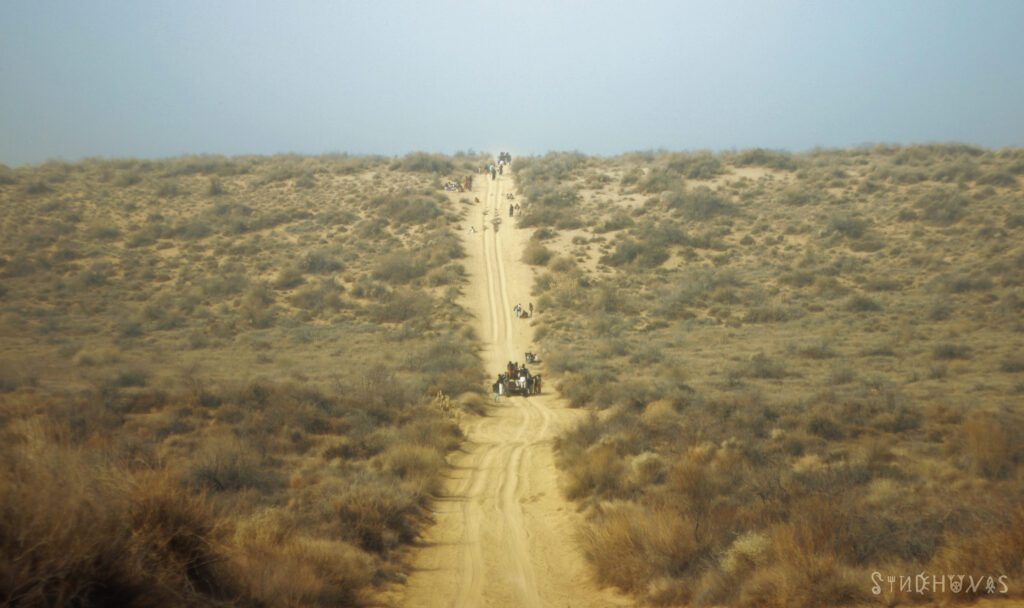
Let's have a Birdseye view first!
Indigenous Toponyms
How people named the land
Darhi
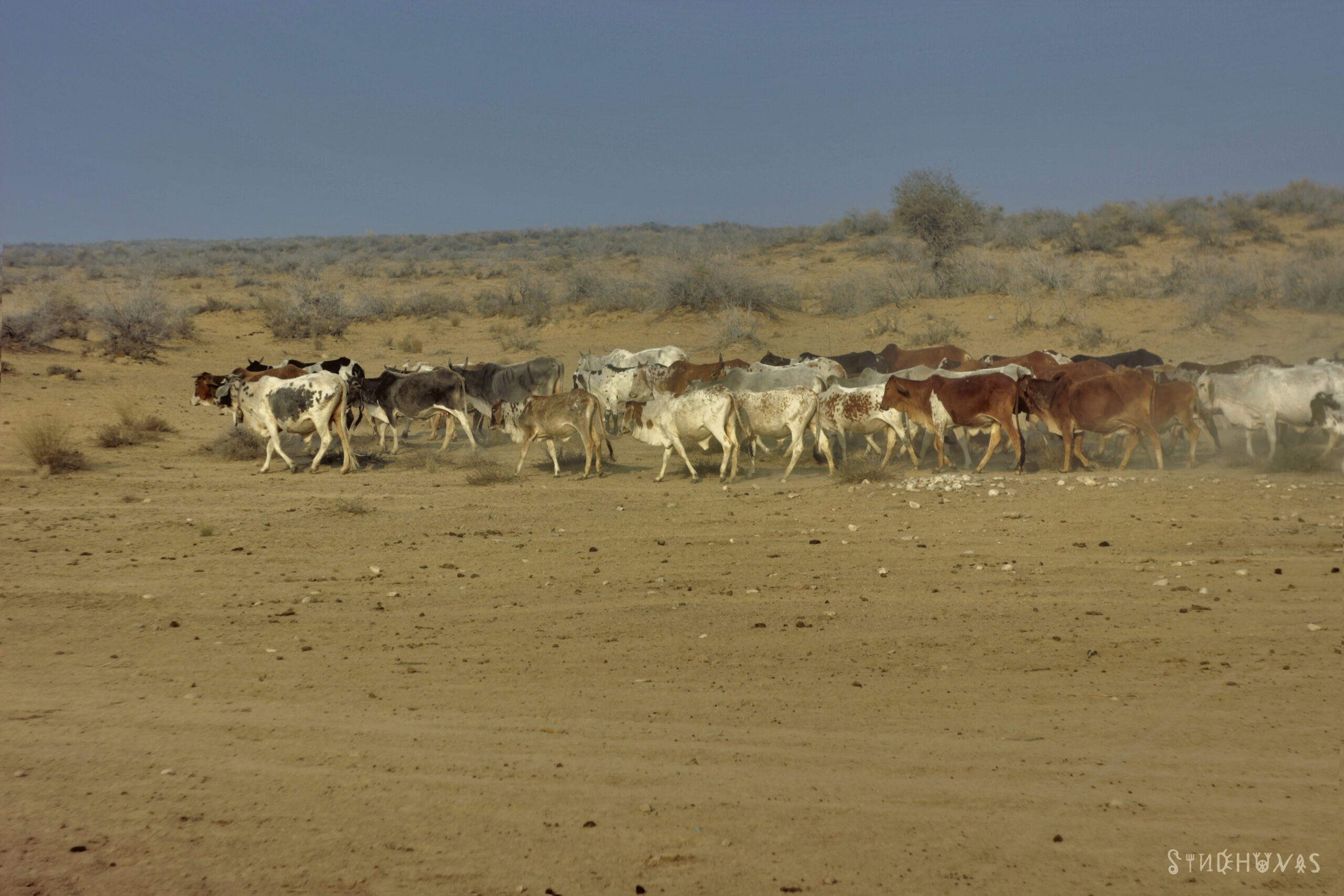
Between these waves of the dunes lie small depressions, flat as grounds and their base is made of Lime or gypsum,known to the native pastoral nomads as Darhi. These patches of land are quiet sanctuaries of survival and their unique natural structure gathers and holds the scarce rains that bless the desert only a few times a year. Because of this hidden gift of water, grasses and shrubs grow here in surprising abundance, offering pasture to goats, sheep, and camels.
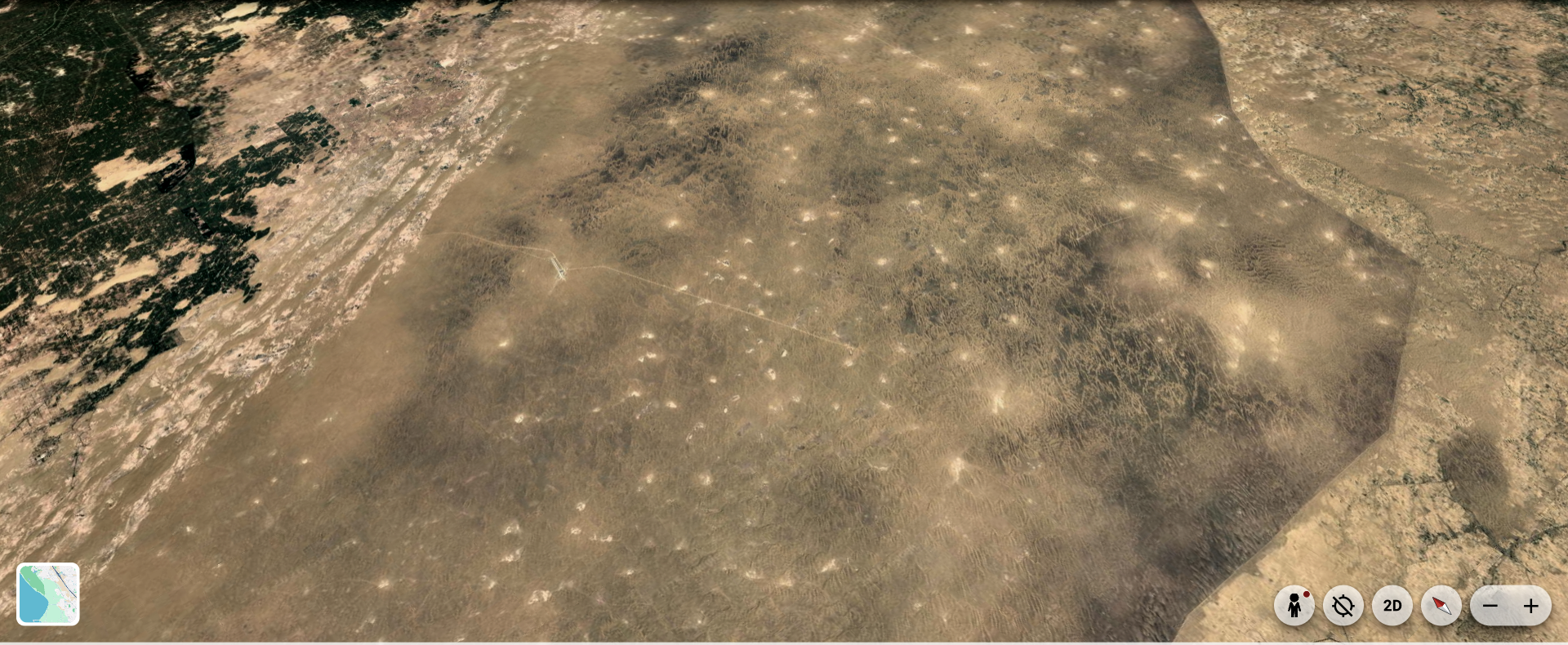
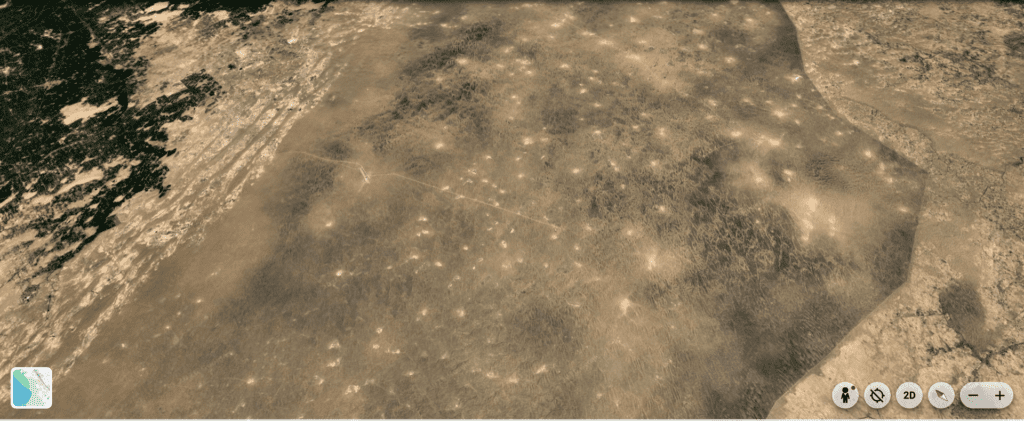
Here is an areal view of Rohi from Google Earth and what seem to be like Stars in the night sky are actually Darhis.
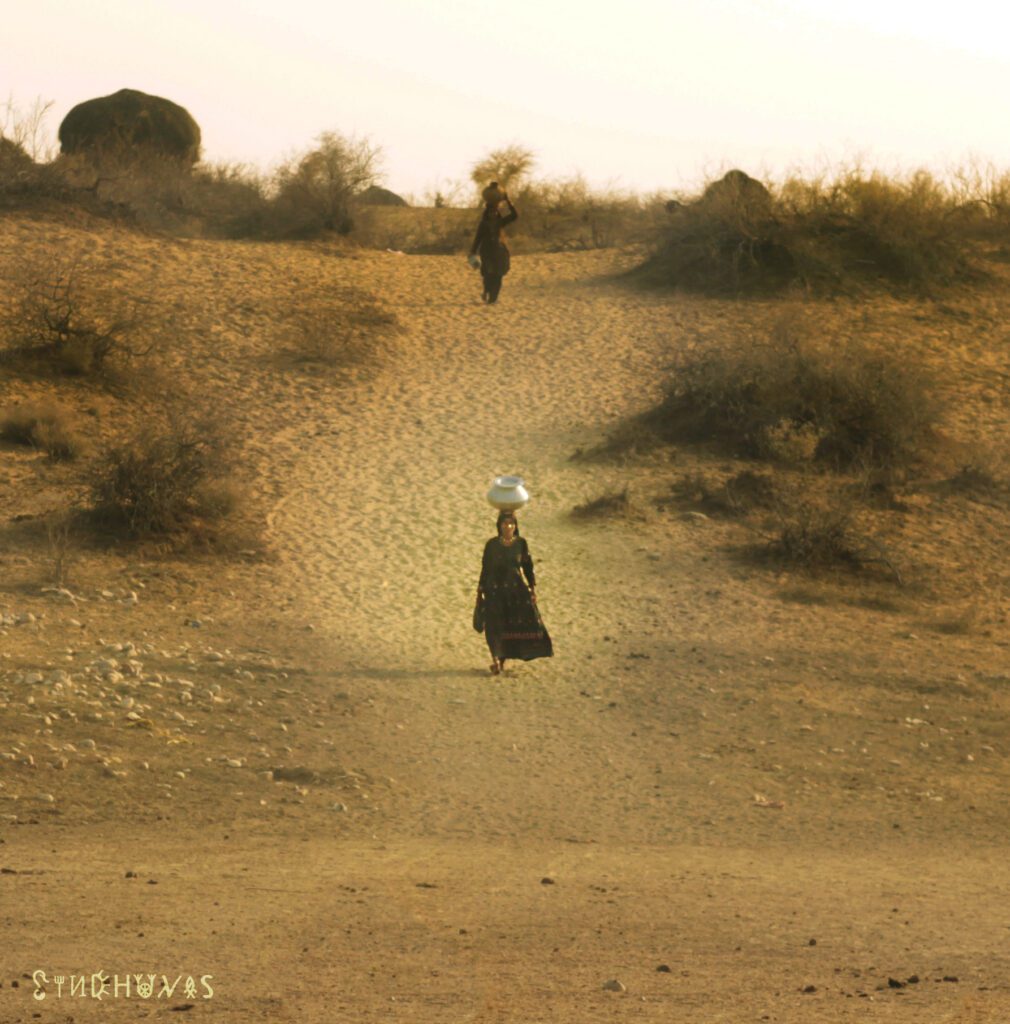
Here is how one of the Darhi called Kheersar Darhi looks like on ground.
Toba
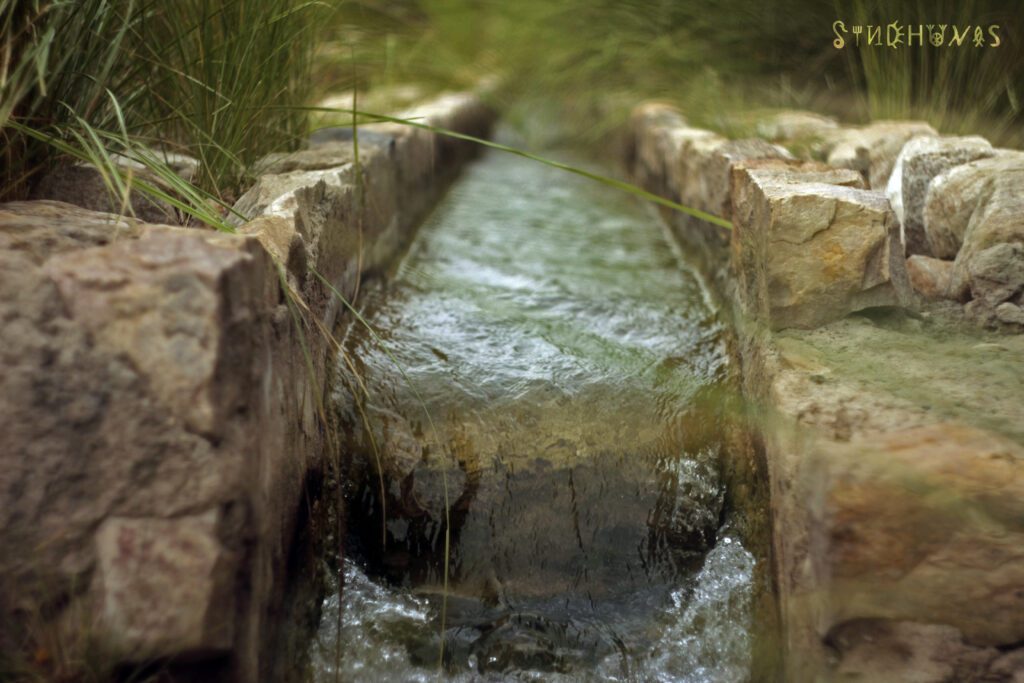
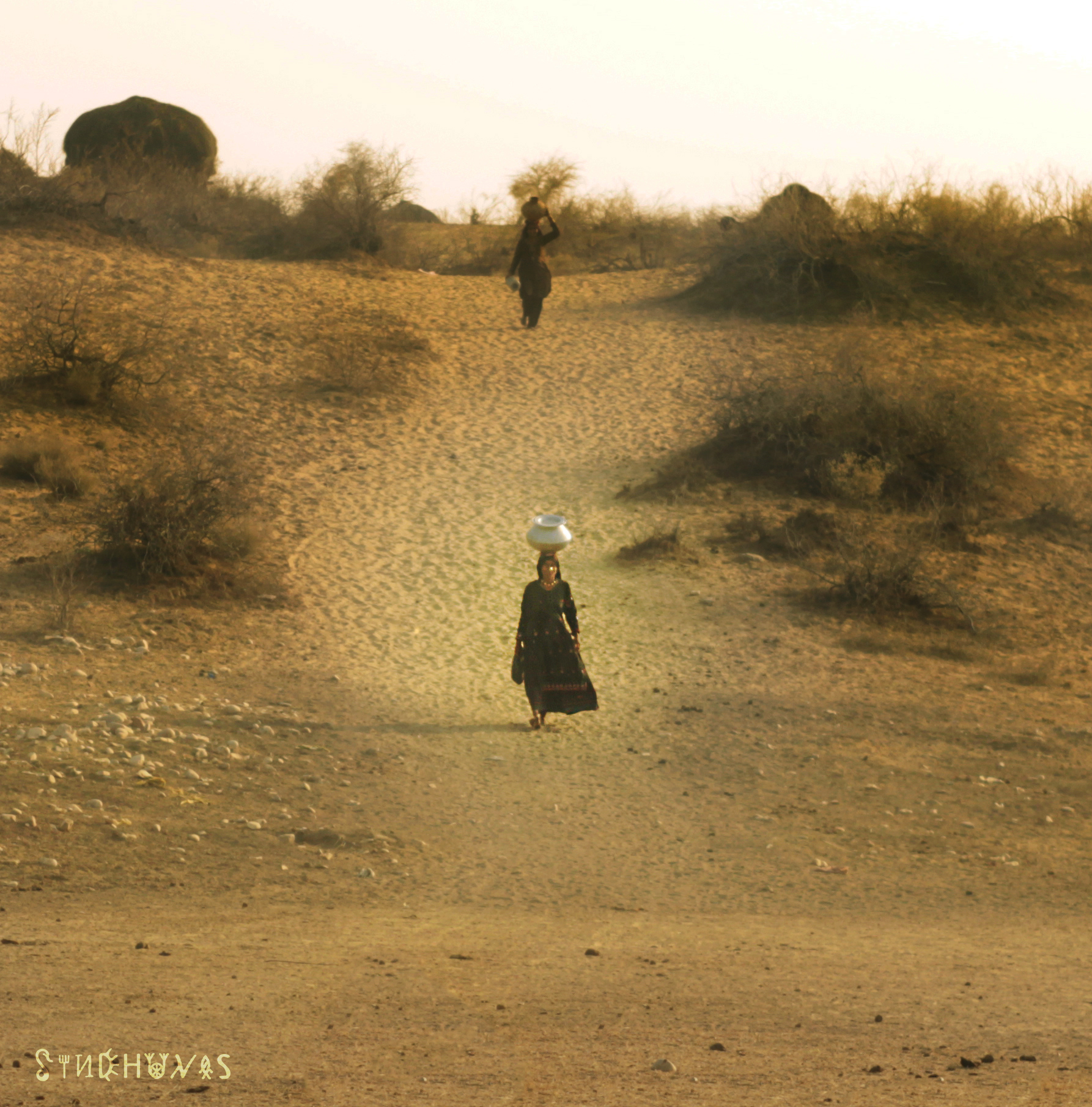
At the heart of every Darhi lies a carefully constructed pond known as a Toba, a simple, human-made reservoir dug by generations who learned to live with the desert rather than against it. After the rains, these Tobas fill with water that may last until the next season of clouds. In Thar, these ponds are the fragile pulse of life itself.
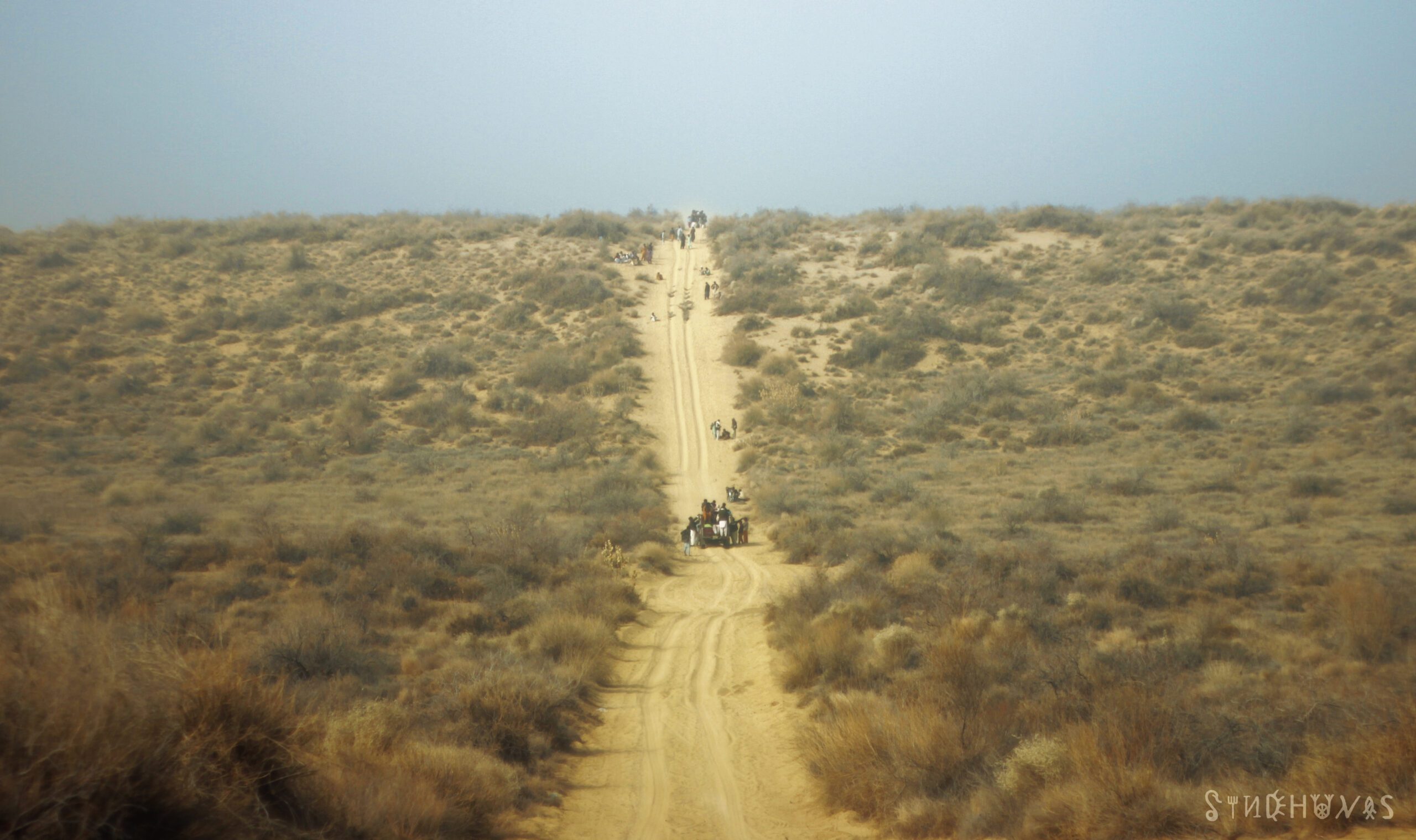
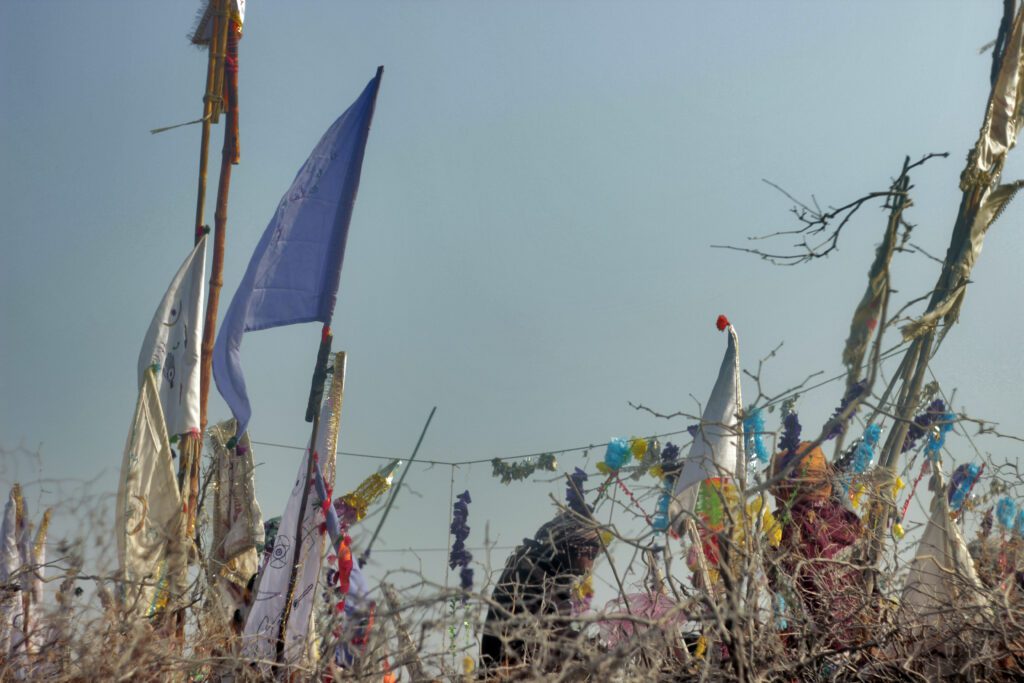
Near the political line that now divides the ancient Indus Basin, the border separating Pakistan and India, stands a tall dune within one such oasis called Essan Darhi. From a distance, the dune appears ordinary, one among thousands that populate the desert. But for the people who live here, it is a sacred place of memory, reverence and mystery
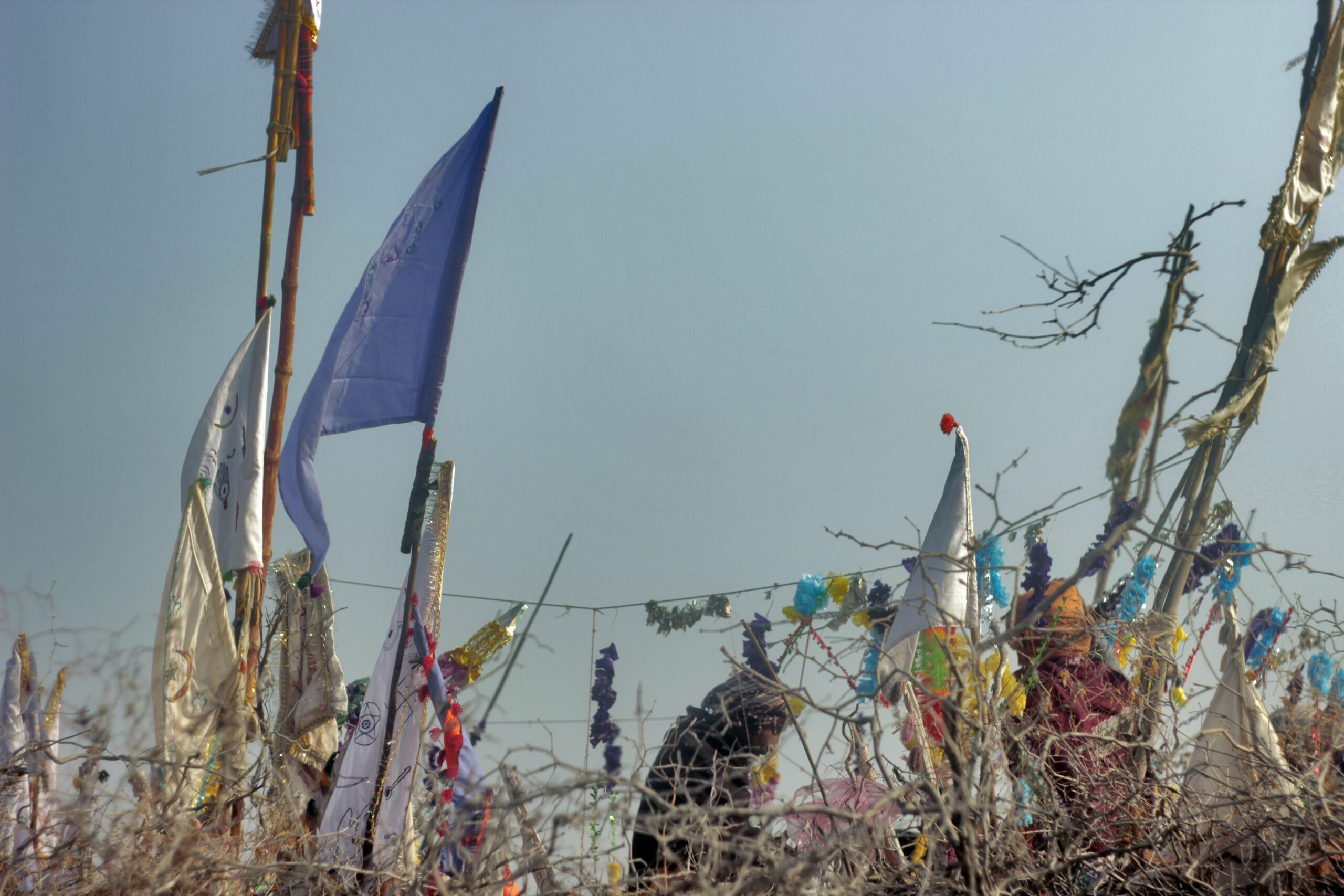
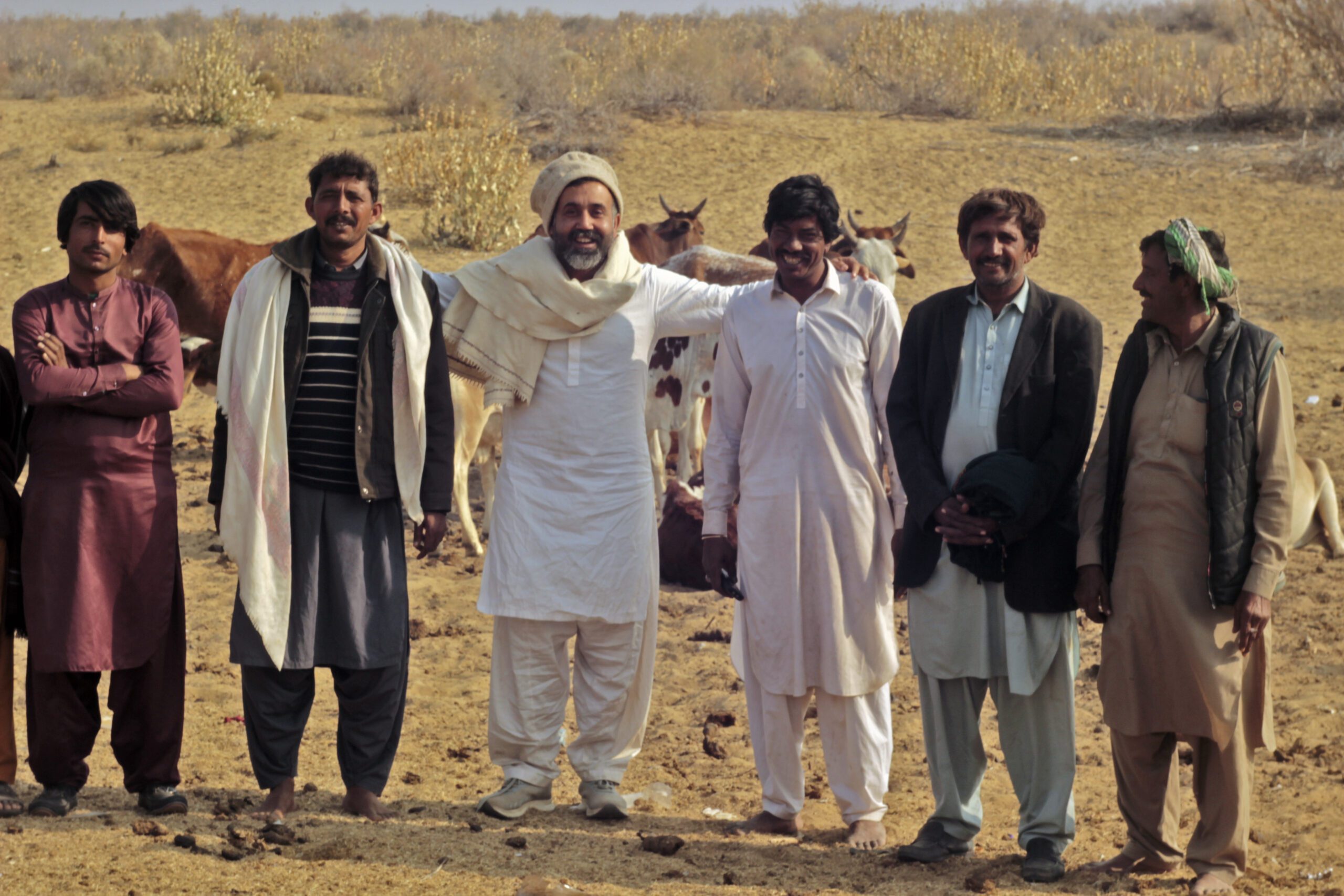
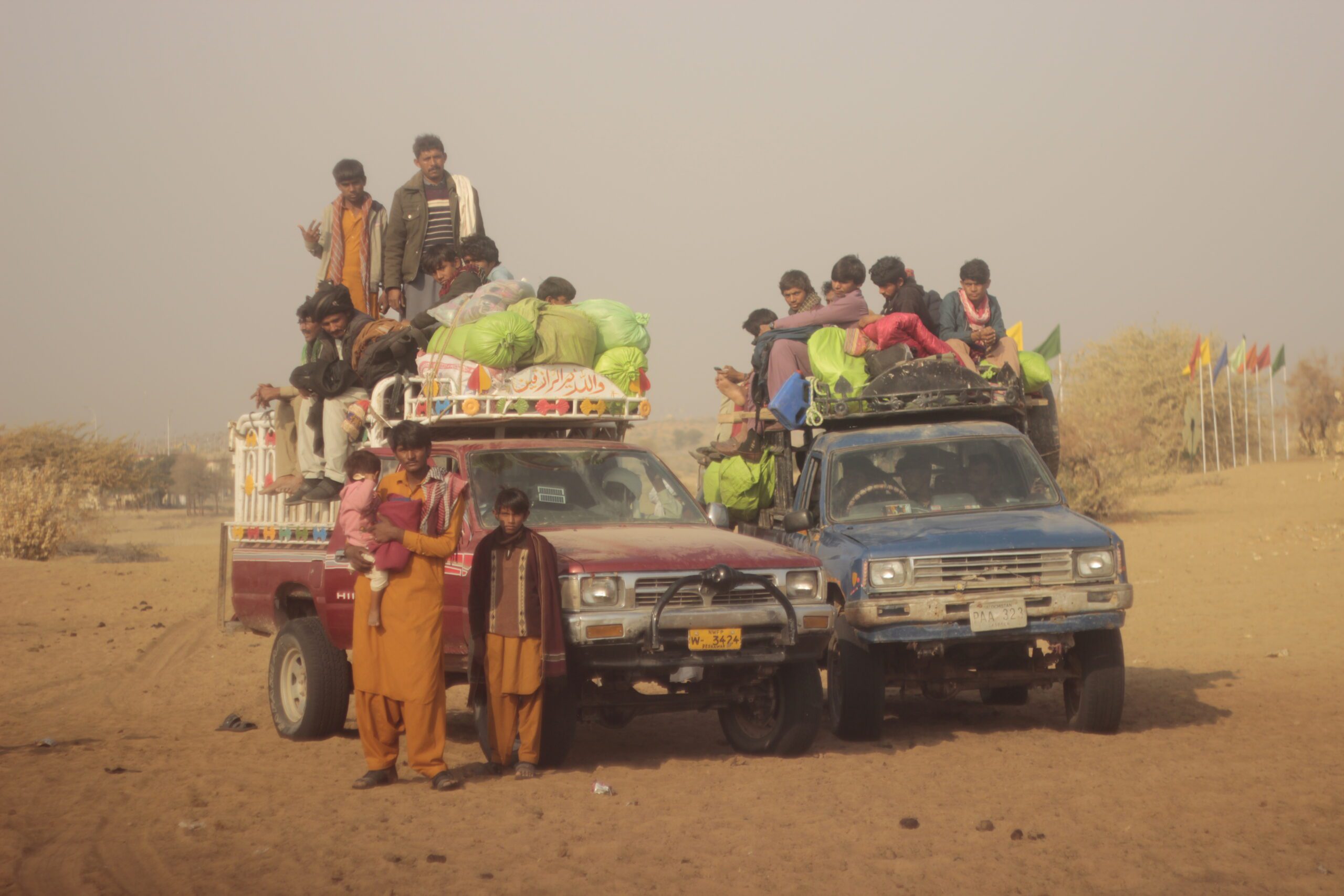
Every year, on the second day of the Indian lunar month of Maagh, the desert begins to stir. Devotees from the Meghwar community, an ancient Hindu pastoral people of the Thar, gather on this dune. The true devotees arrive on foot, travelling days even weeks.
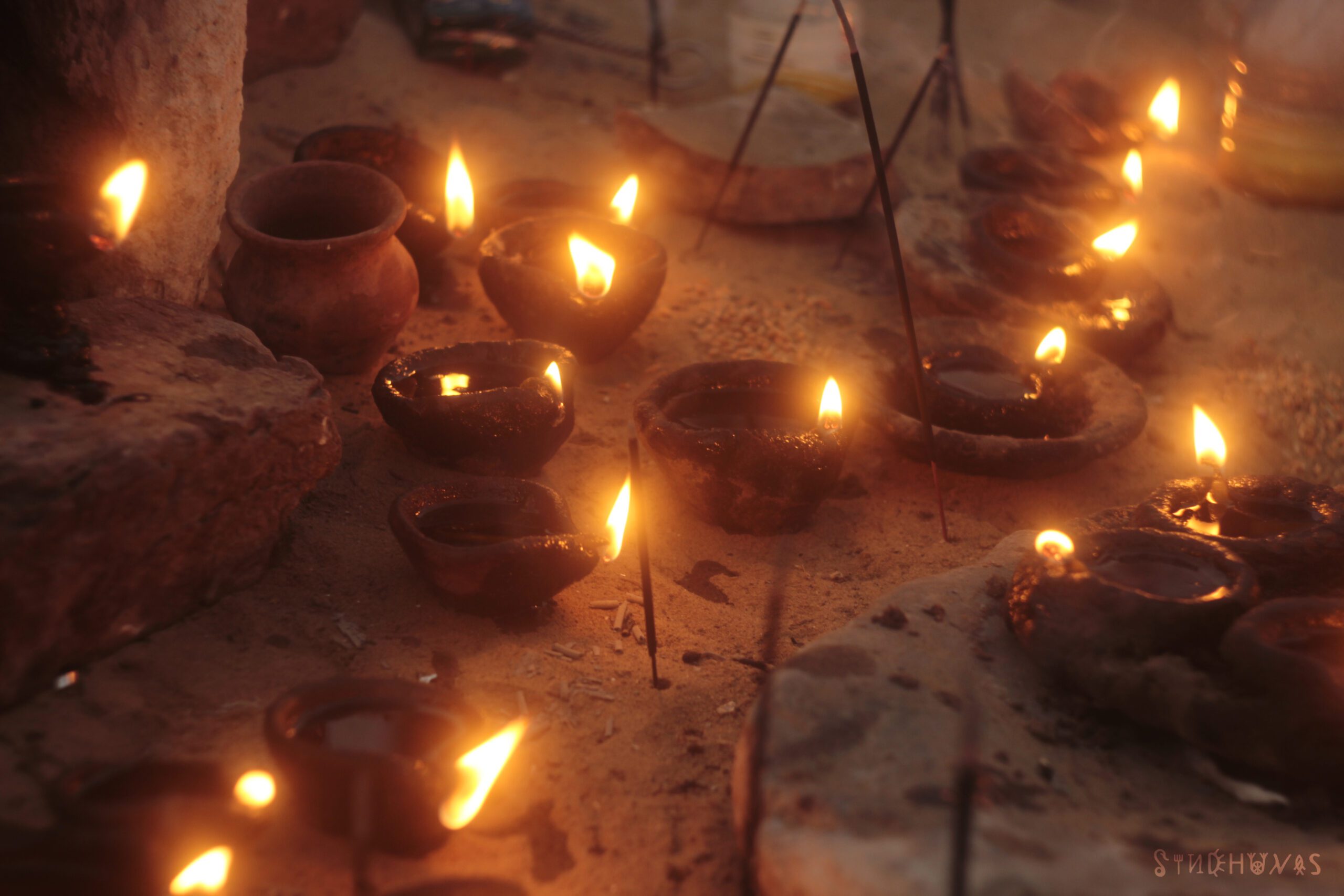
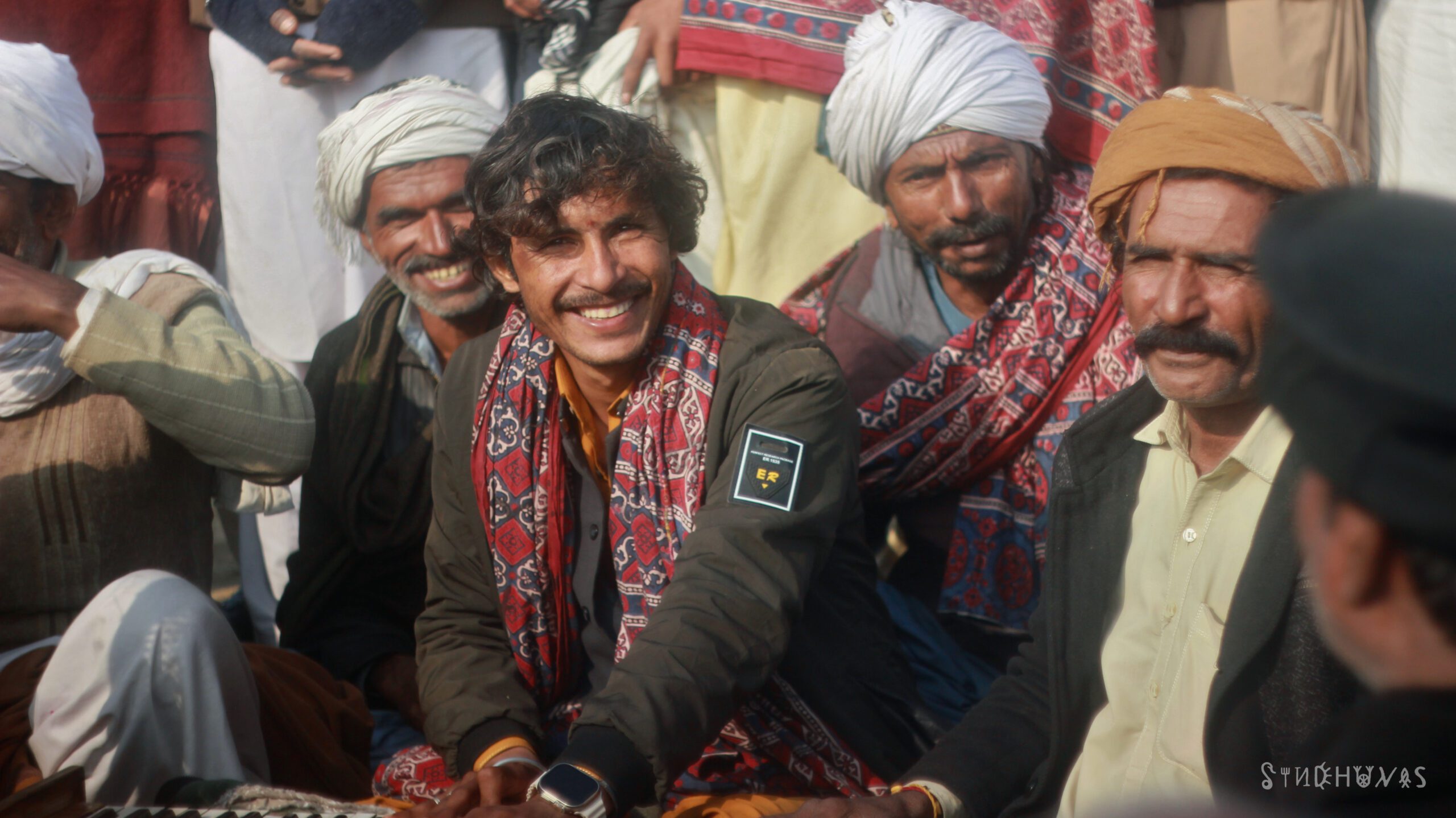
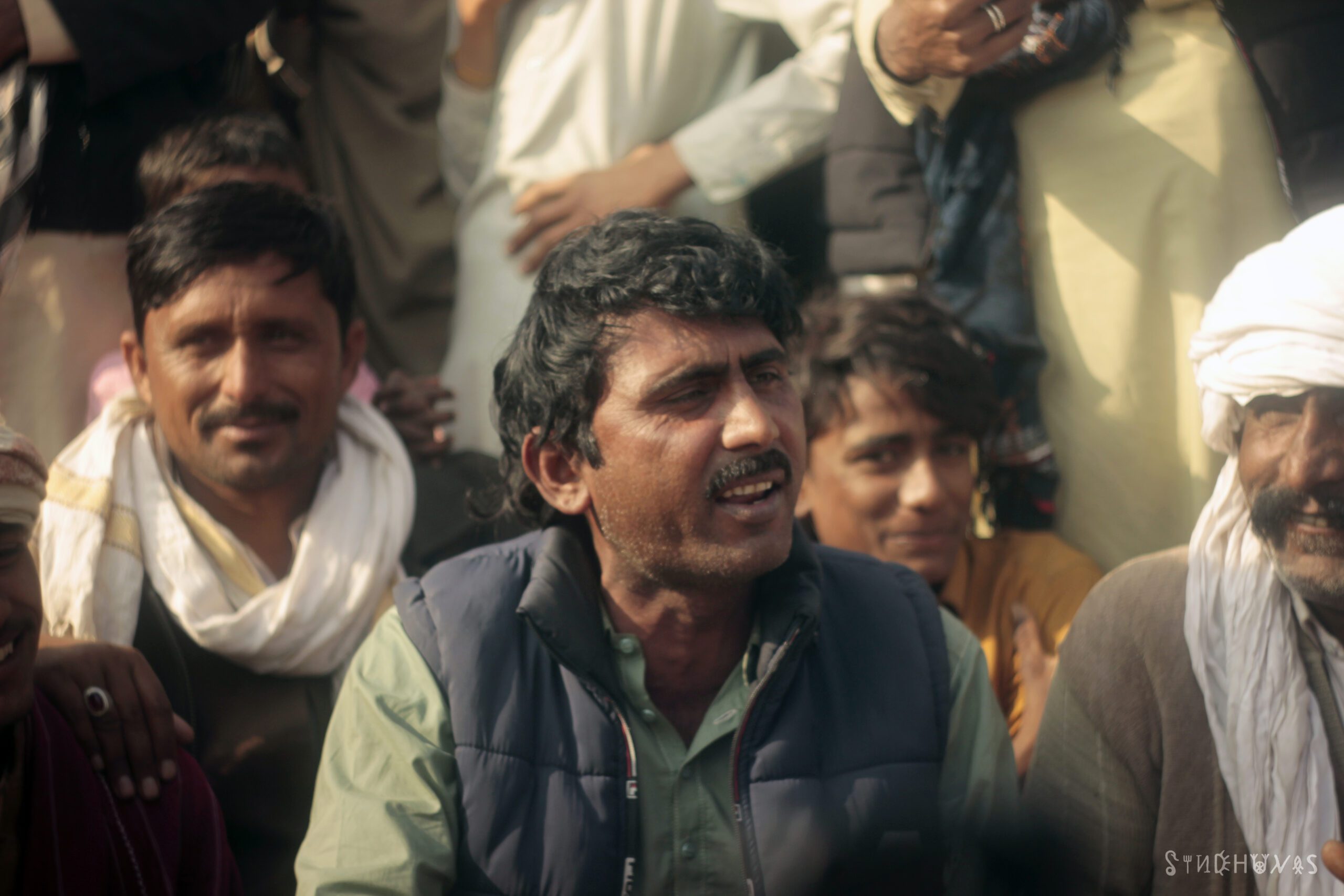
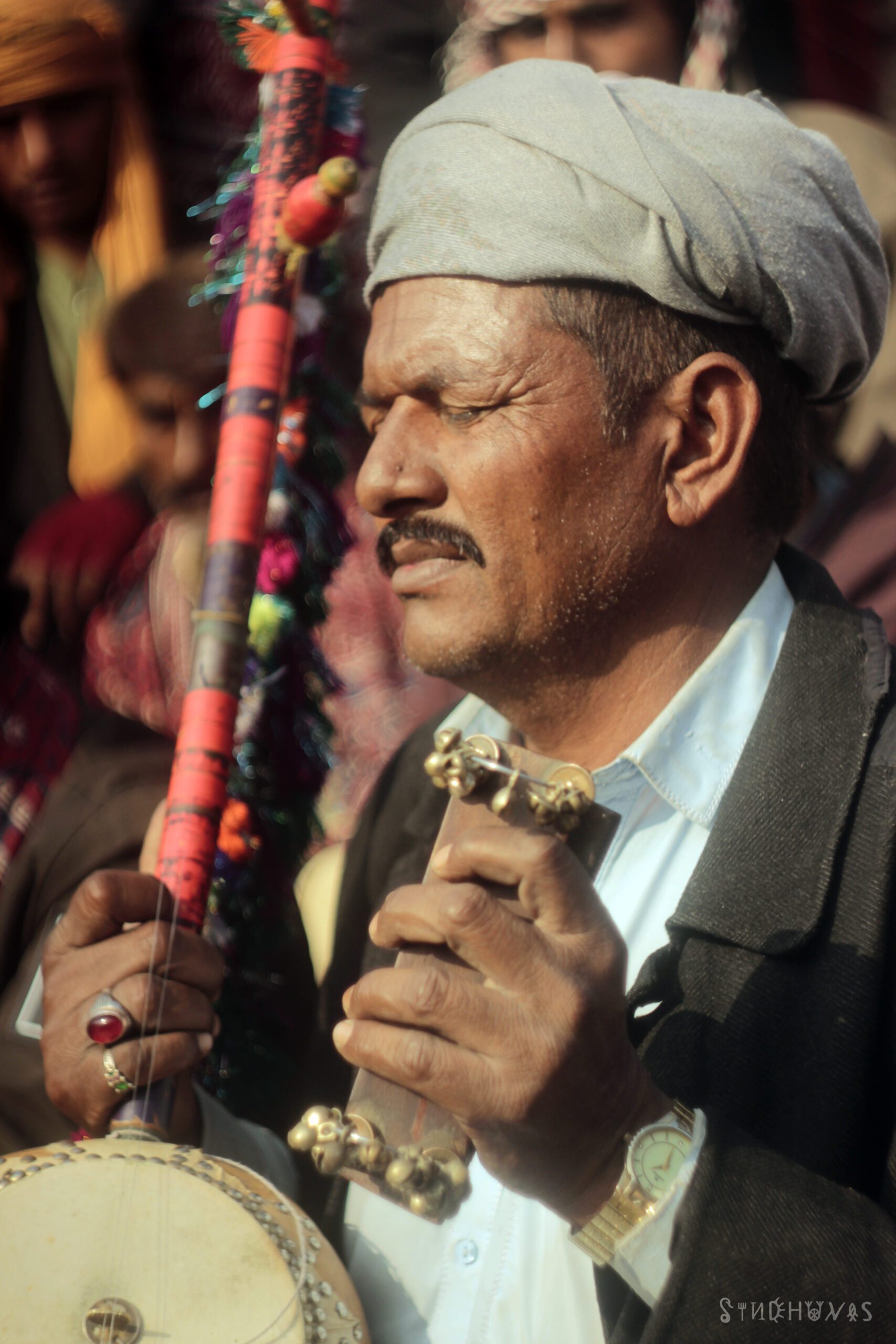
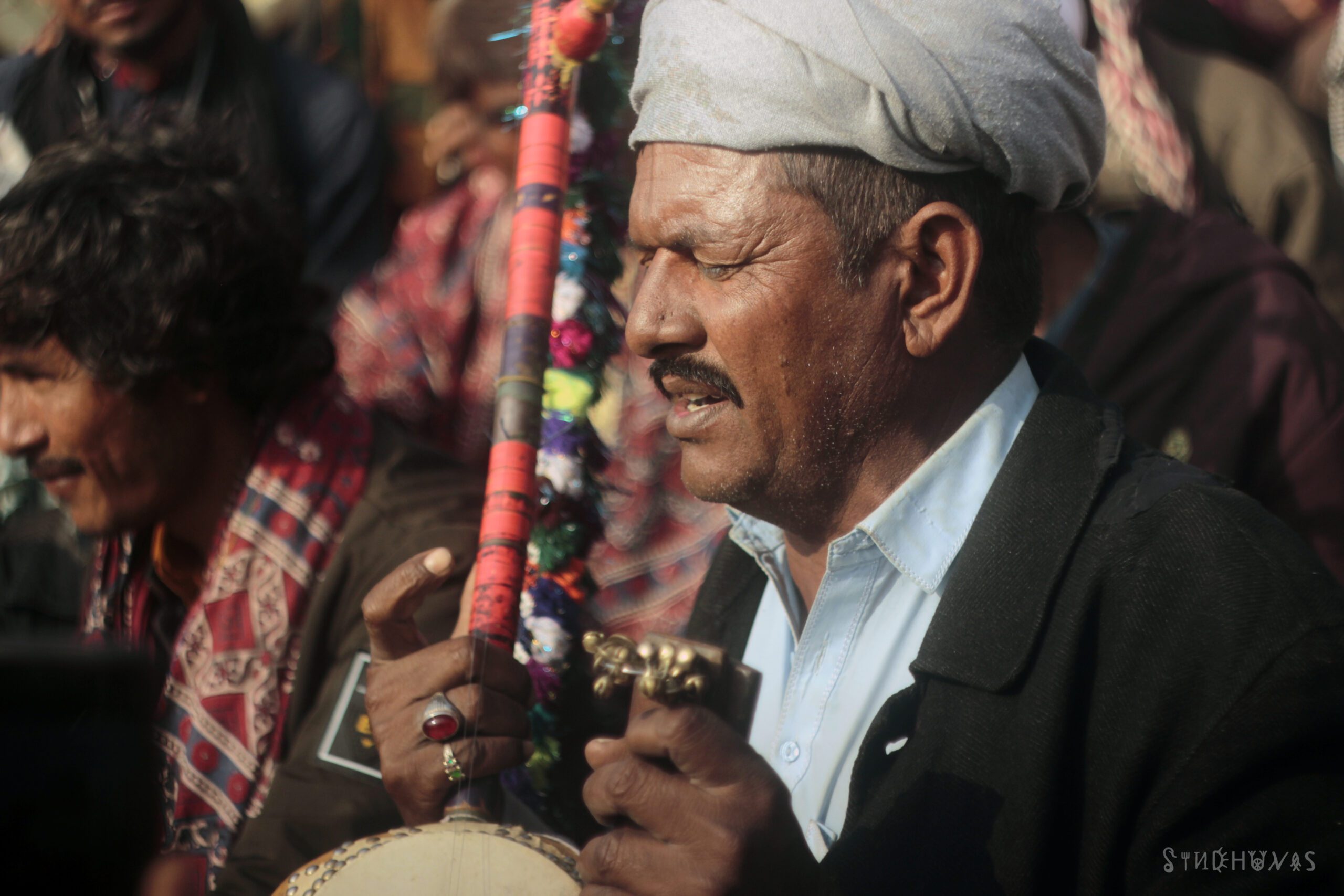
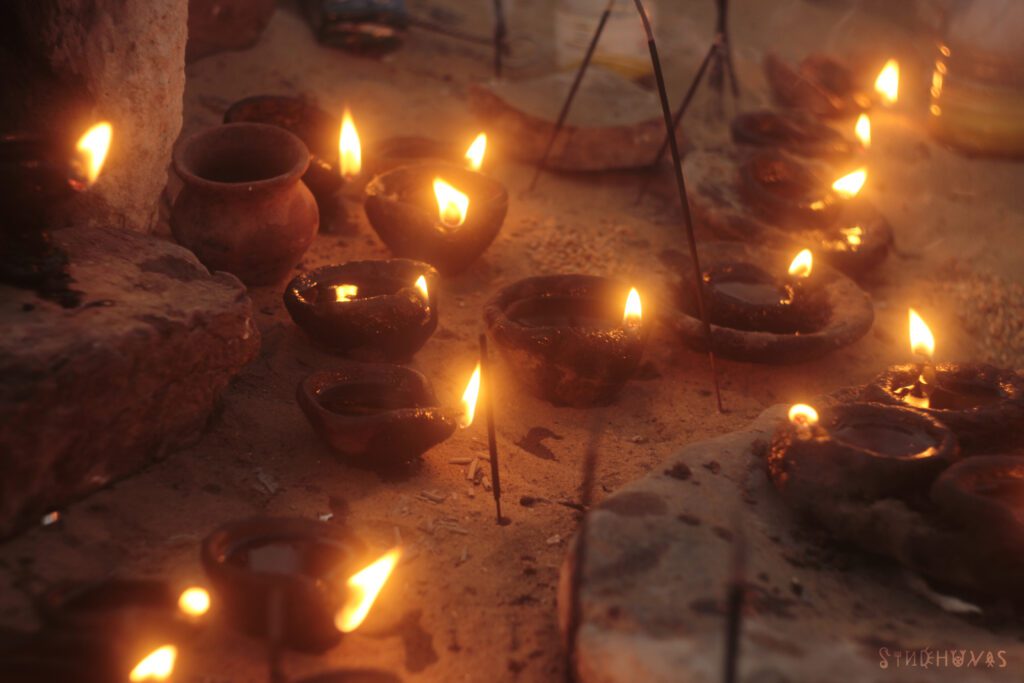
After the sunsets and the night deepens, the melodious voices rise into the open sky. The Lotus of Satsang blossoms and Bhagats sing bhajans, mystical devotional songs passed down through generations. The Bhajans(songs) are dedicated to a mysterious presence they call Bhurya Baba.
Who is Bhurya Baba?
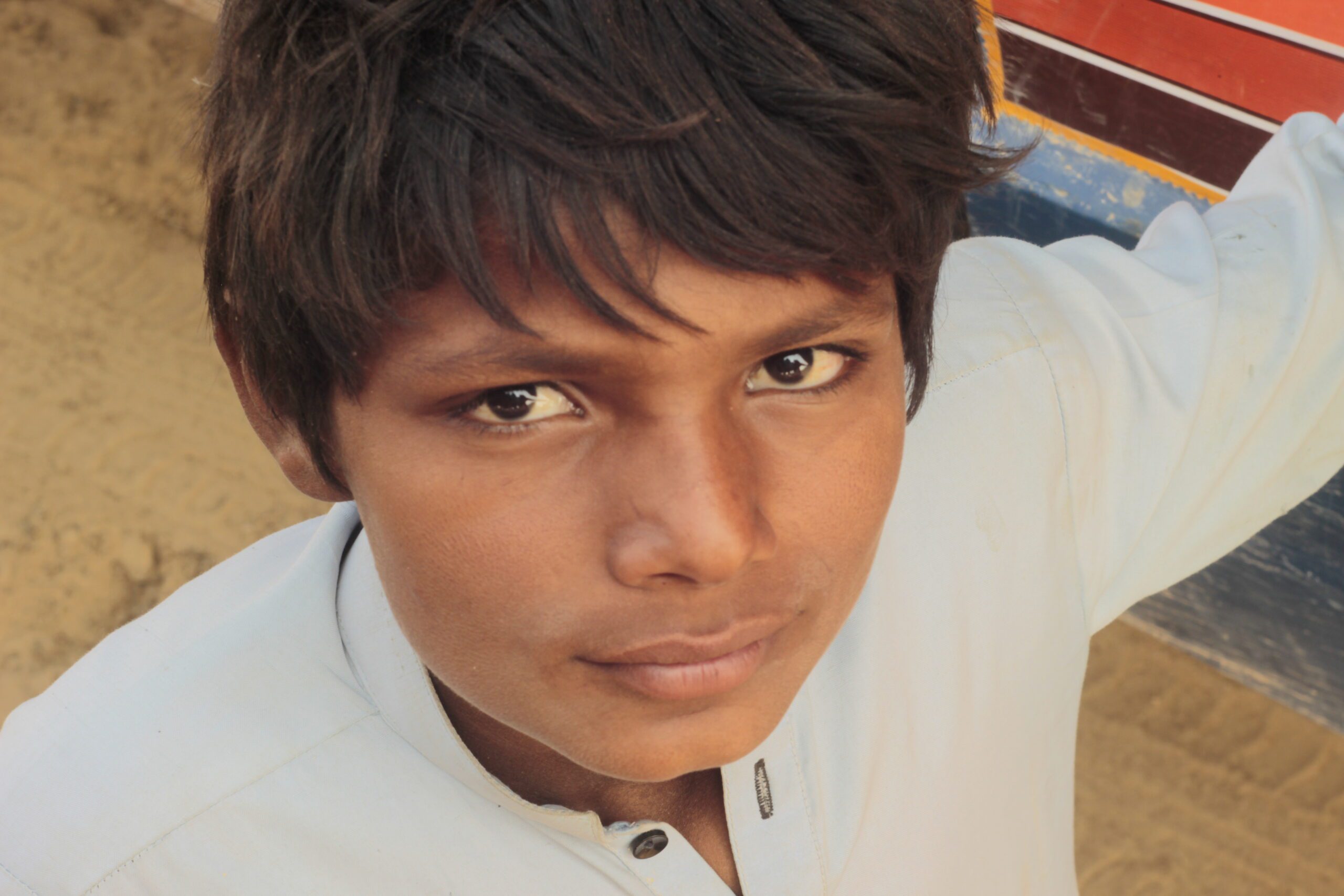
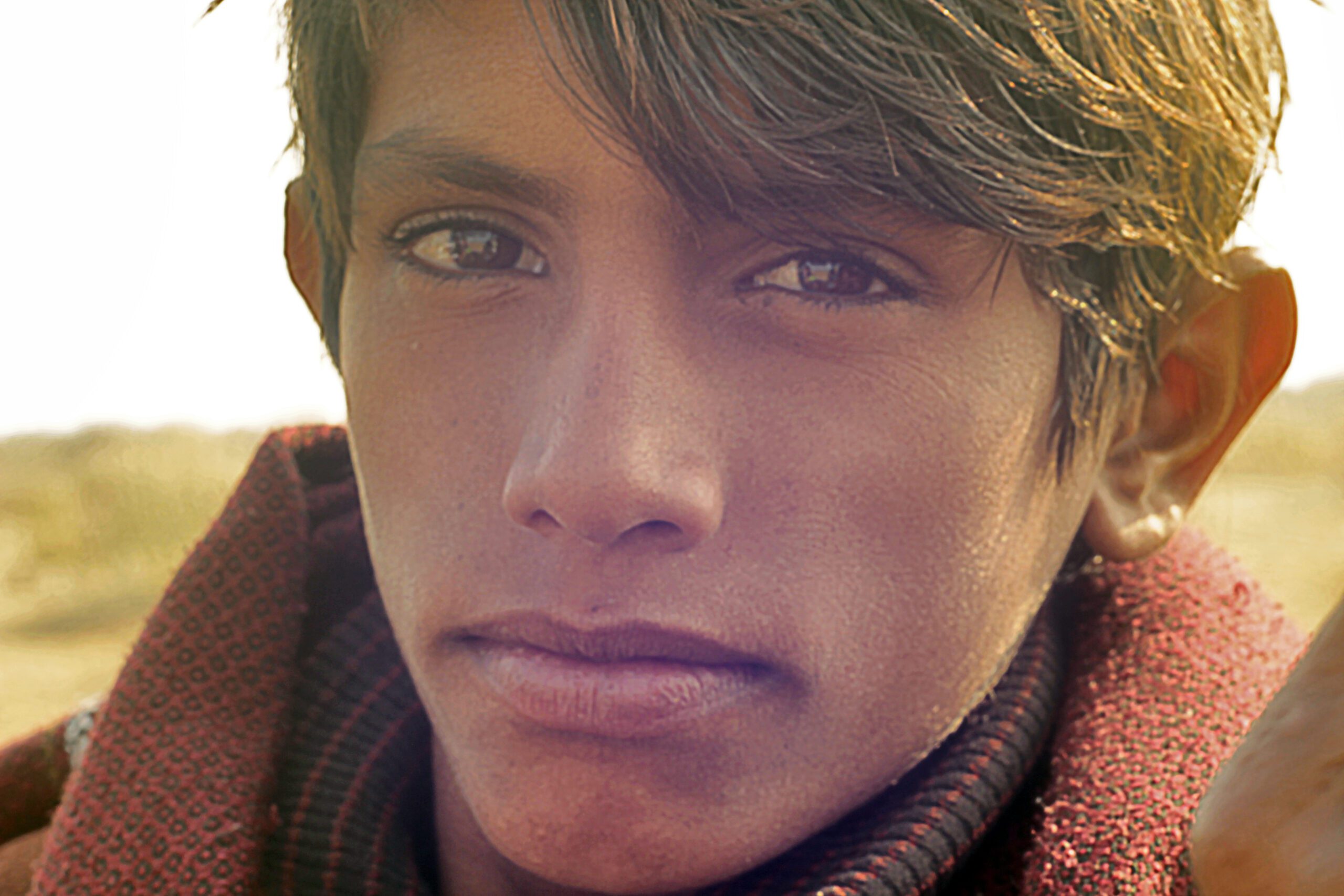
The elders tell many versions of the story, and each one differs slightly from the next. But all agree on one thing that Bhurya Baba once lived as a brown haired little boy on this dune and oneday he disappeared as human and from then he is not confined to a single form.
Sometimes he appears as a camel, an impossible creature walking calmly on the dune. At other times he manifests as a Cow, or even as a glowing snake. The natives believe that he reveals himself through animals, inhabiting their forms as a guardian spirit of Animals. They also believe that anyone who harms a living creature within the boundaries of Essan Darhi invites terrible consequences. Stories circulate quietly among the people, stories of families who once caged animals here and later suffered sudden ruin. Whether these tales are legend or memory, they are powerful enough to shape the behavior of the entire community.
What makes this belief even more remarkable is that it transcends religion. Not only the Hindu Meghwars but also the Muslim families who live in this Darhi follow the same unwritten law. Within its boundaries, animals are not killed, and meat is not eaten. Creatures move freely here goats, birds, snakes, and even jackals, protected by an ancient respect that no written rule enforces.
On the dune of Bhurya baba, when the night falls and the Bhajans of the Bhagats rise, one cannot help but feel that something very old still lingers in this place and right that moment an Idea sparked on the firmament of my mind that there is a mysterious link between this guardian spirit and the enigmatic horned figure carved thousands of years ago on seals of the Indus Valley Civilization.
Could Bhurya Baba, to whome the natives of this desert pay the tribute, be just another incarnation of the spirit of Pashupati, Veles and Cernunnos ?
No one in the Thar desert would frame such questions. For them, the matters are simpler. In their worldview the World including their beloved desert as a part of big living entity, contrary to modern worldview in which Earth is nothing but a dead matter laying there to be exploited and the desert is even more Dead that can be exploited even more by stealing and direciting the waters from Mother Indus to the flattened dunes of cholistan and doing corporate farming at a scale never seen before.
The Rohivas don’t pay that much attention to these mundain matters as they believe that somewhere among the dunes, the Guardian is ‘Always Present’