The metaphor of Spiritual awakening
Lotus
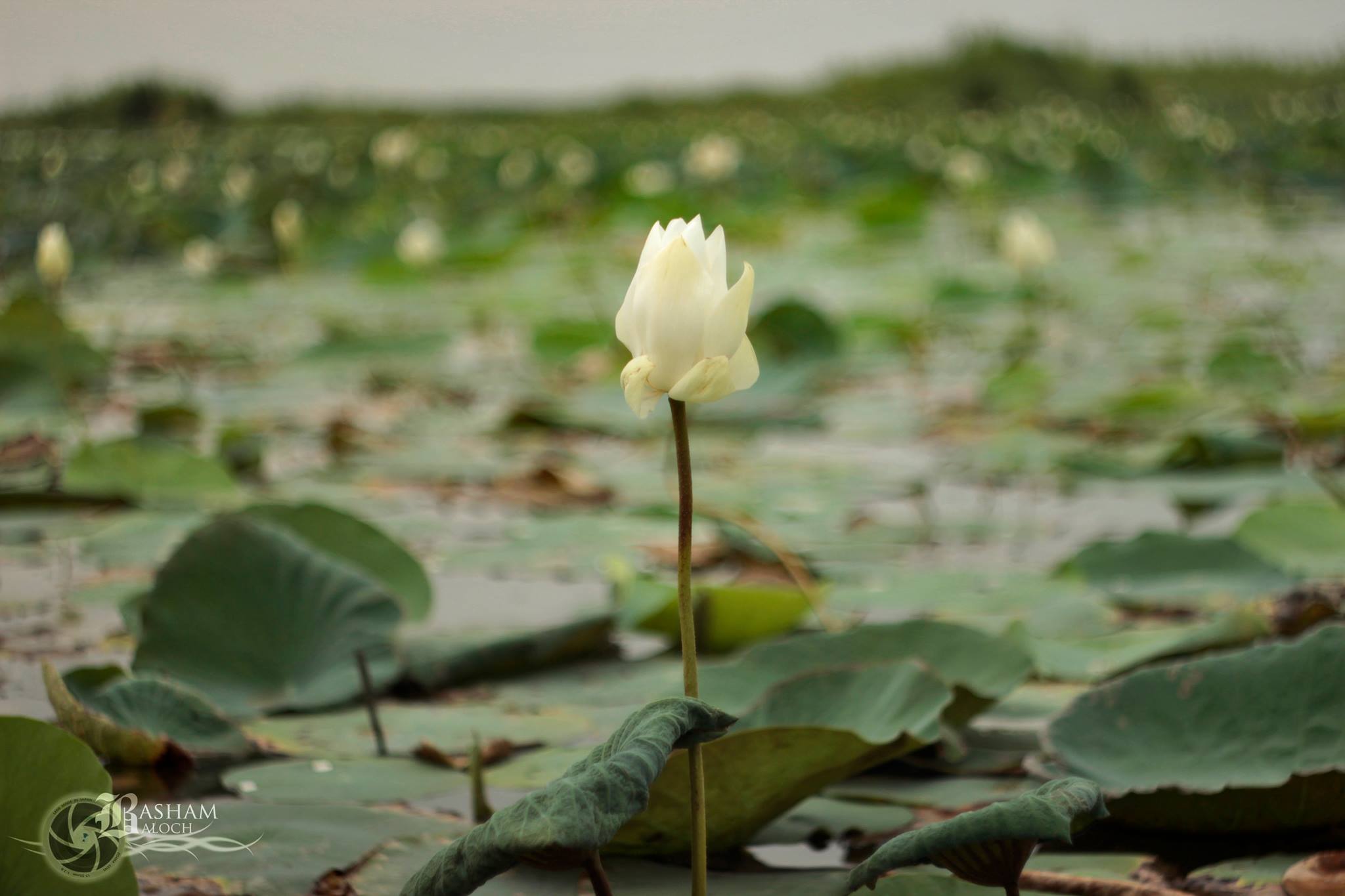
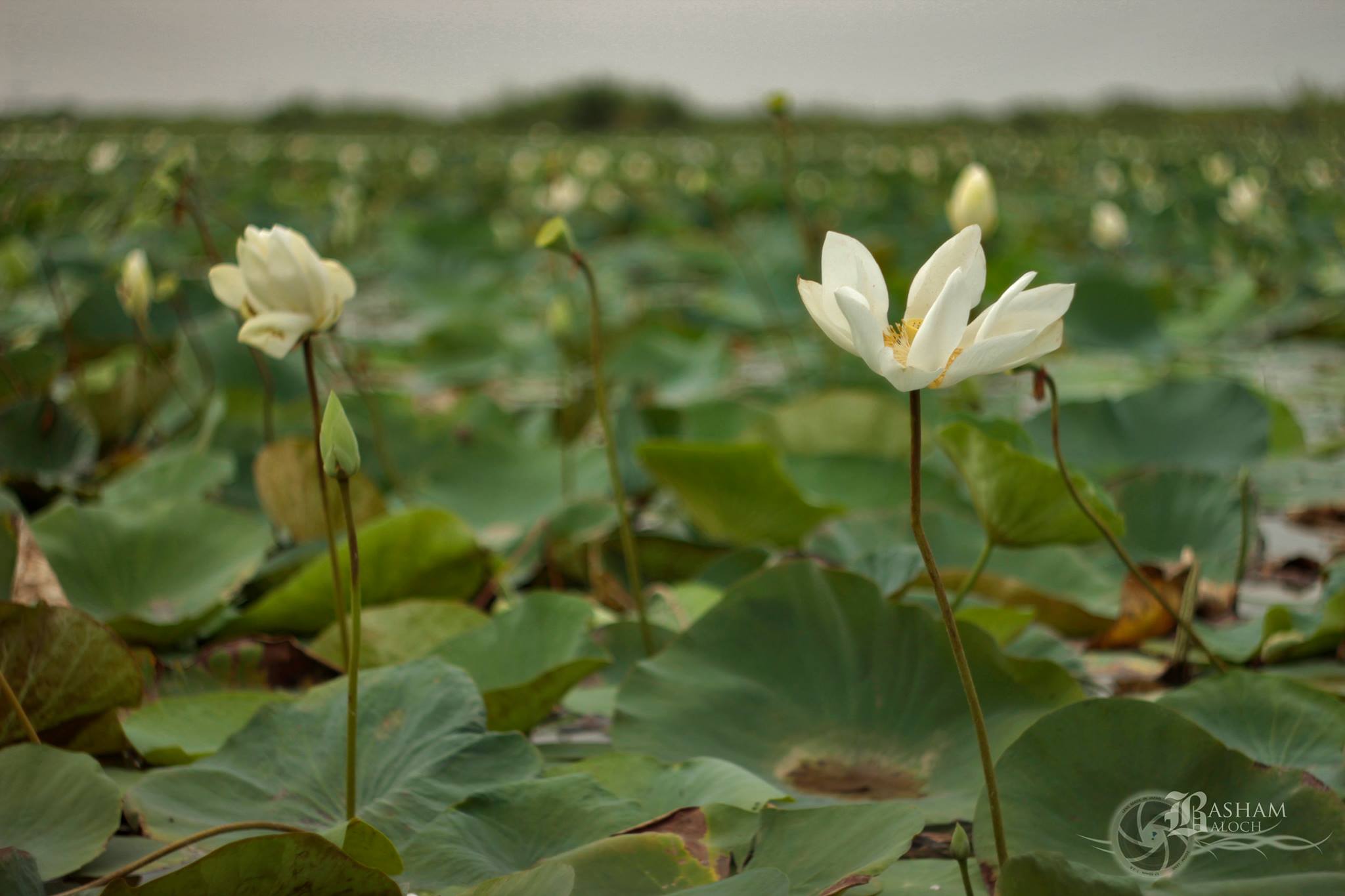
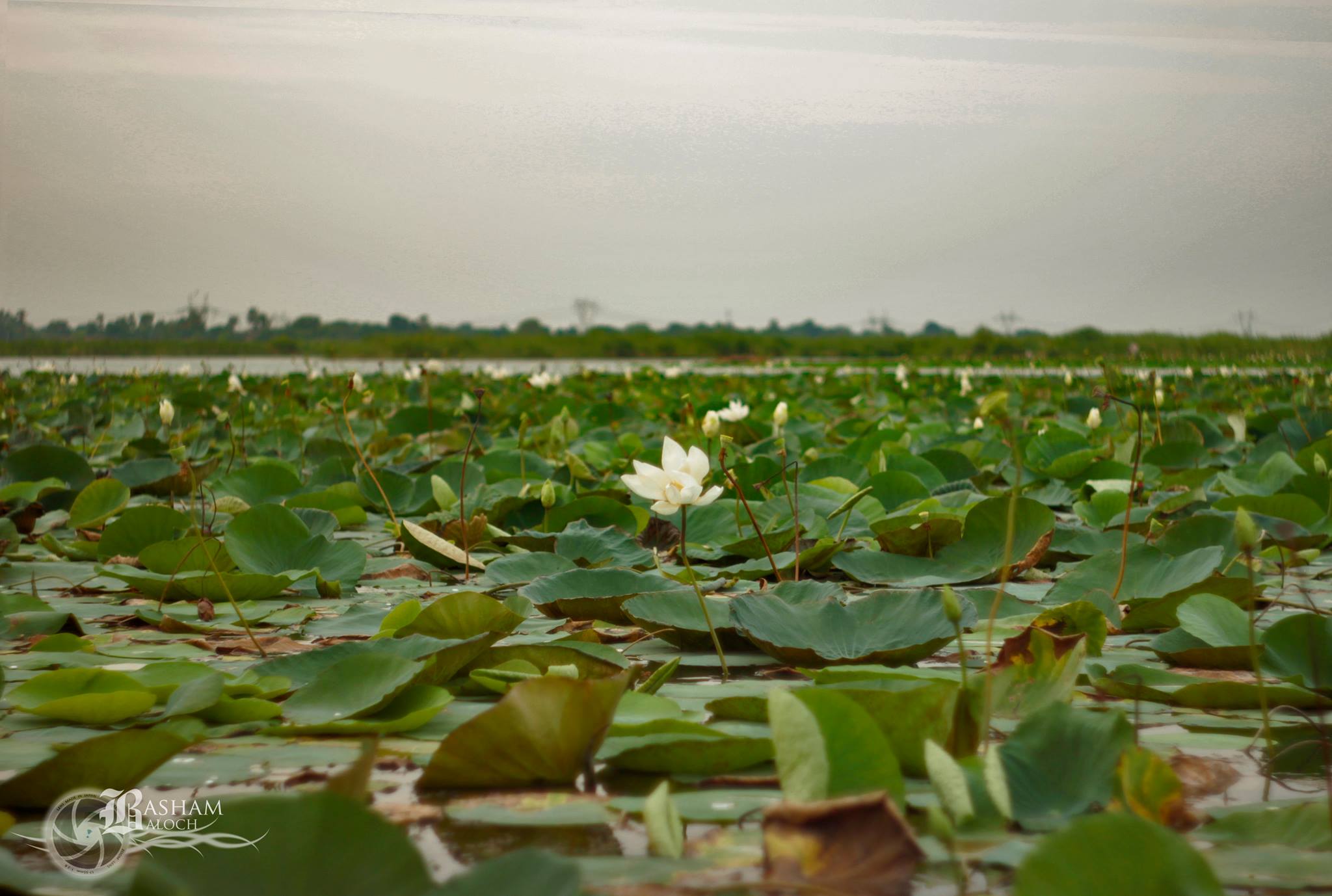
Ancients living in Indus plains celebrated the time when goddess Sindhu blows her spell and within a few days lotus groves sprout in all the floodplains along River. This was an indication of coming of the monsoon rains that will fill the Spate irrigation lands with fertile waters of Rodkohi (Hill torrents from Roh). Abundance is on its way.
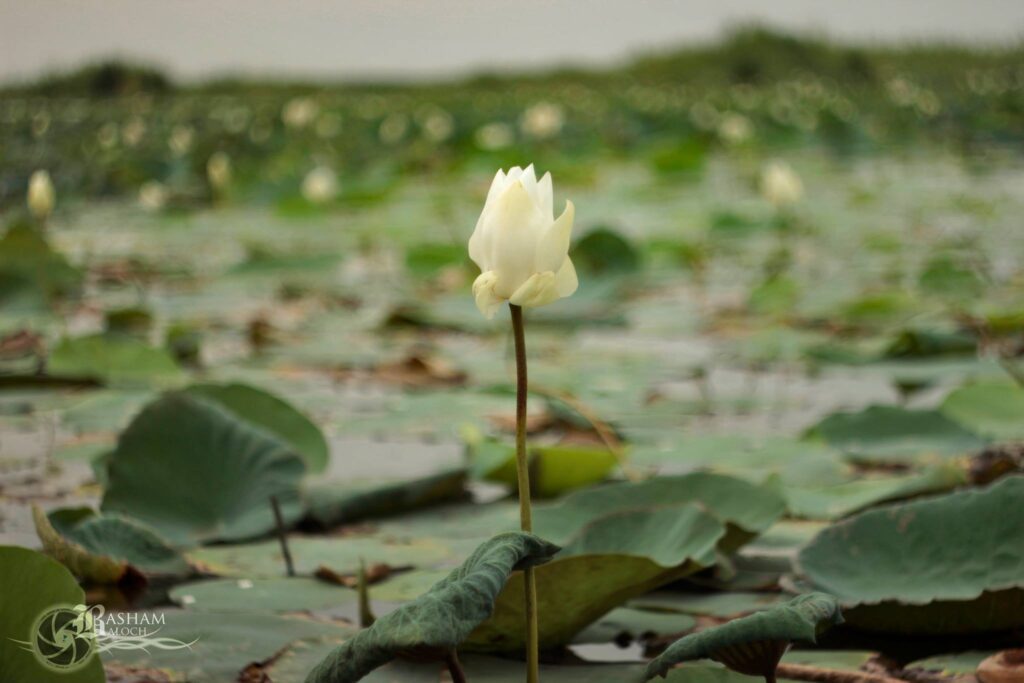
For those early humans living along the Indus, this transformation would have been Mysterious when the large stretches of water filled with bloomed lotuses. . A landscape that was once muddy and still would suddenly become covered in calm, radiant flowers.
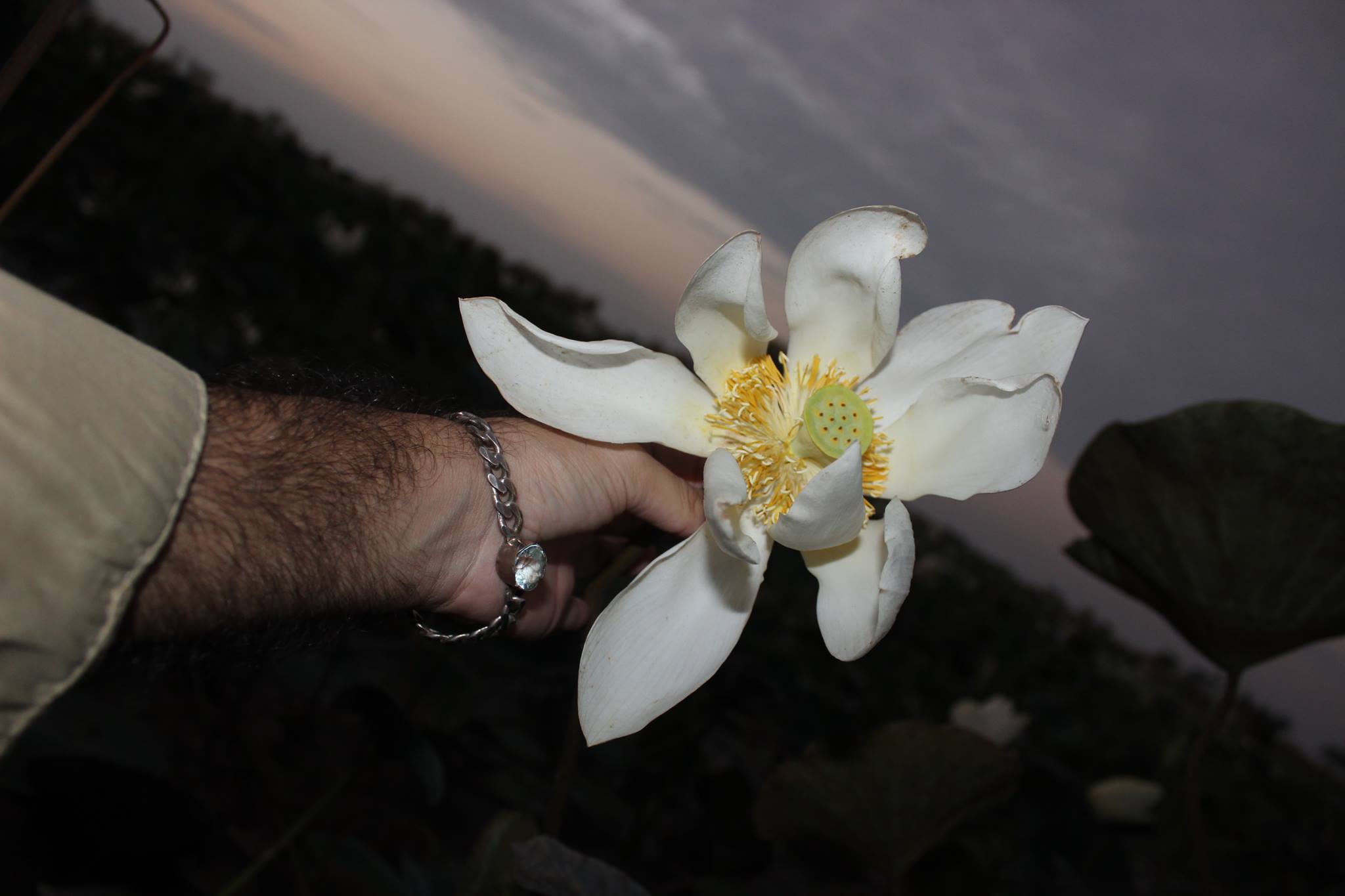
Lotus has long stood as one of the most powerful symbols in Eastern thought, especially in Buddhism and Hinduism. Its meaning comes from the way it grows. Rooted in dark, muddy water, the lotus rises upward and blooms clean and bright above the surface. This natural process became a clear and simple image for spiritual awakening. It suggests that purity and wisdom are not found by escaping life’s difficulties, but by rising through them.
Let's have a Birdseye view first!
In Hindu traditions, the lotus is closely tied to creation, beauty, and divine presence. Many deities are shown seated on or holding a lotus, including Lakshmi and Brahma. The flower represents both the origin of life and the unfolding of consciousness. In Buddhist teachings, the lotus takes on a similar role but with a sharper focus on enlightenment. The journey from mud to bloom mirrors the path from ignorance to awareness. Each stage of the flower’s growth reflects progress along that path.
There is also a geographical and historical layer to this symbolism. The Indus River, one of the oldest centers of human civilization, is known for its seasonal lotus groves. After the monsoon rains, large stretches of water fill with blooming lotuses. For early communities living along the Indus, this transformation would have been striking. A landscape that was once muddy and still would suddenly become covered in calm, radiant flowers.
It is not hard to imagine how this recurring natural event shaped early spiritual imagination. The Indus region, often called the cradle of Eastern civilization, provided both the physical setting and the visual language for ideas about renewal and transcendence. Over time, the lotus became more than a plant. It became a shared symbol across traditions, expressing a universal truth about growth, resilience, and the possibility of inner clarity.